







Turning Point for LGBTQ+ Rights
In a landmark move signaling a significant shift in LGBTQ+ policy, Luxembourg has
announced plans to outlaw conversion therapy as part of its newly updated National
Action Plan for LGBTQ+ people, a decision long awaited by human rights advocates
and queer communities within the Grand Duchy.
The plan outlines a commitment to draft legislation that would criminalize conversion
therapy, the widely discredited practice aimed at altering an individual’s sexual
orientation or gender identity. The proposal honors a pledge made in the 2023 coalition
agreement and places Luxembourg in line with many of its European neighbors that
have already enacted such bans.
The proposed law marks a turning point for a country that has, until now, allowed the
practice to remain legal, an outlier in an increasingly progressive European Union. This
inaction had been justified in the past by former Prime Minister Xavier Bettel, now
Foreign Minister and one of the world’s few openly gay senior politicians, who argued
that such practices were not prevalent in Luxembourg. Activists, however, have pushed
back, pointing out that even rare or covert incidents of conversion efforts can inflict
lasting psychological harm.
For the LGBTQ+ community in Luxembourg, the announcement signals more than a
legislative correction, it is a public acknowledgment of their dignity, humanity, and right
to be protected from pseudoscientific abuse. “This is not just a symbolic gesture,” said a
spokesperson for Rosa Lëtzebuerg, the country’s leading LGBTQ+ advocacy group. “It
is a concrete step toward protecting vulnerable individuals from harmful interventions
masked as therapy.”
The ban is expected to cover all forms of conversion therapy, including those performed
by religious figures or licensed professionals, and its inclusion in the criminal code
would allow for legal redress and prosecution.
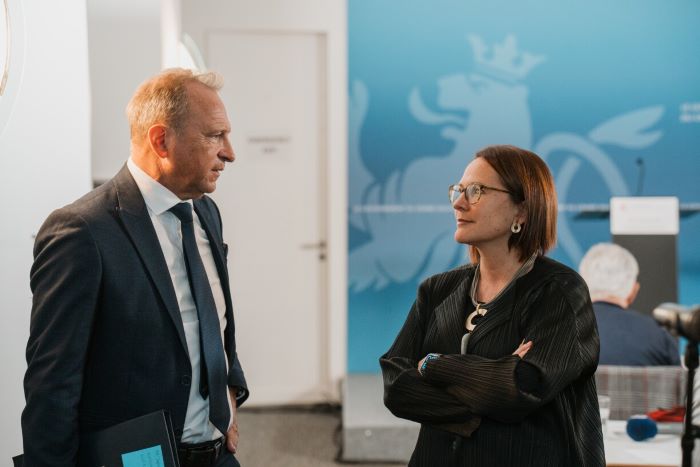
The new action plan also addresses broader human rights concerns. Minister for
Equality and Diversity Yuriko Backes confirmed the creation of a working group tasked
with proposing a ban on non-consensual medical procedures on intersex children, a
move toward bodily autonomy that has long been demanded by intersex advocacy
groups.
In a Europe where LGBTQ+ rights are increasingly seen as barometers of democratic
health, Luxembourg’s shift carries both local and international resonance. For a country
often praised for its tolerance, codifying these protections could make tolerance
tangible, and justice enforceable.
Whether the law passes swiftly or faces political friction, one thing is clear: for
Luxembourg’s LGBTQ+ community, silence is no longer policy.