







The Rise of the Machine – How to Cultivate Skills AI Cannot Replace
The spectre of automation has long haunted factory floors, but in the heart of Europe’s
financial hub, a different kind of worker is facing the chop. The Docler Group, a
Luxembourg-based tech conglomerate, has announced a significant round of job cuts,
openly stating that artificial intelligence is replacing parts of its human workforce.
The move, while not entirely unexpected in a rapidly evolving tech landscape, serves as
a stark and sobering warning. For years, the debate around AI’s impact on employment
has centred on the theoretical, but Docler’s decision makes the threat brutally real. The
company, known for its diverse portfolio, is reportedly automating roles in content
moderation, data analysis, and customer service, disciplines once considered safe
havens for skilled, office-based professionals.
This development raises a pressing question, how grim is the future for human
employment? The consensus among economists and technologists is increasingly
pessimistic for certain sectors. Jobs that are highly repetitive, data-driven, and involve
routine communication are now firmly in the crosshairs of algorithms. A recent Microsoft
study highlighted a sobering list of vulnerable professions, including journalists,
technical writers, translators, and customer service representatives.
The future, it seems, is not about the wholesale replacement of people with robots, but
rather the hollowing out of professions as AI takes over the most quantifiable and
predictable tasks. This leaves a future workforce in a precarious position, forced to
compete with ever-improving, tireless machines.
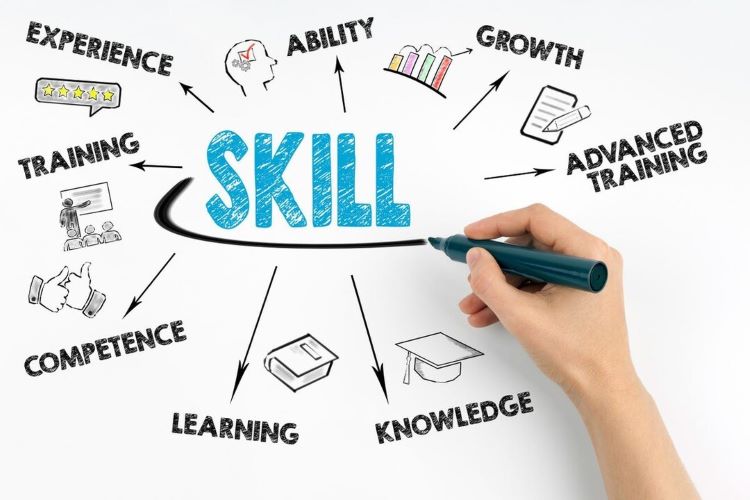
So, what skills will future employees need to survive? The answer lies in the uniquely
human. The disciplines that appear to be most resilient to AI are those that require a
high degree of empathy, creativity, and critical thinking.
The physical trades, for now, remain largely safe. Plumbing, electrical work, and
construction all require a level of manual dexterity and on-site problem-solving that is
beyond the current capabilities of robotics. Similarly, professions in the caring economy,
nursing, teaching, and therapy, are insulated by the essential need for human
connection, empathy, and emotional intelligence.
Furthermore, disciplines that foster truly novel and imaginative thought will likely thrive.
The performing arts, advanced scientific research, and philosophical inquiry are areas
where human intuition and creative leaps remain indispensable. The grim reality is that
while AI can replicate and refine, it cannot yet innovate in the way that a human mind
can.
The job cuts at Docler Group are more than just a local story. They are a canary in the
coal mine, a signal that the age of AI-driven job displacement is no longer a distant
prospect but a present-day reality. The future of work will be defined by our ability to
adapt, to cultivate the skills that machines cannot replicate, and to embrace a new
relationship with technology, one where we work alongside it, rather than against it, for
our very survival.
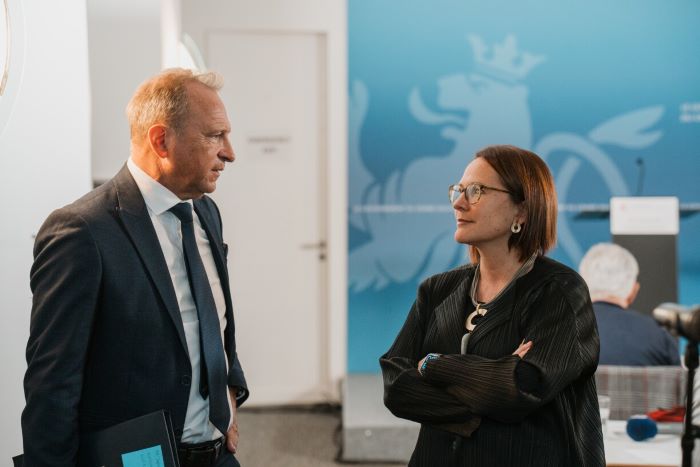
Photo – Sarvesh Verma