








Luxembourg Puts Organic Food at the Heart of School Meals Drive”
The Luxembourg government has stepped up efforts to provide organic meals in schools, issuing calls for local producers to supply fruit, vegetables, and other produce under a nationwide healthy-eating program.
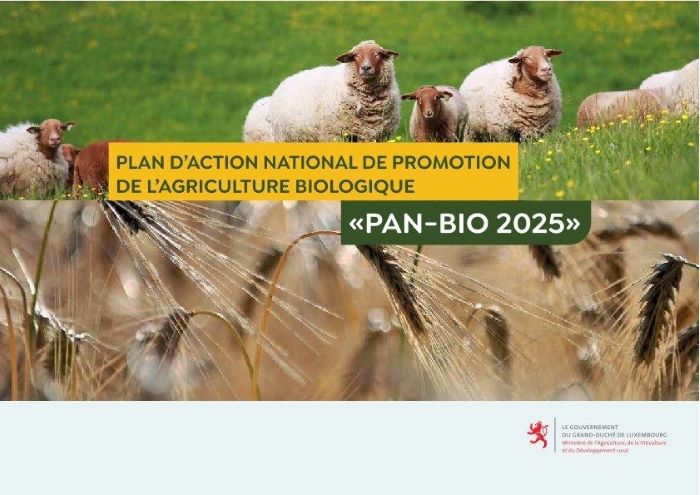
The move is part of the National Action Plan “PAN-Bio 2025”, which aims to expand organic farming to 20 per cent of the country’s agricultural land and boost the share of organic produce in public-sector catering. The plan targets at least 40 per cent organic ingredients in school and crèche meals, with a further 60 per cent sourced from farms in the process of converting to organic production.
The government’s catering agency, Restopolis, has introduced a digital procurement platform, Supply4Future, for secondary schools and universities. The system prioritises suppliers who meet organic, regional and sustainable criteria, with tenders no longer awarded solely on lowest price.
Education Minister Claude Meisch said the scheme was designed to “invest in children’s health” while supporting sustainable agriculture. Agriculture Minister Martine Hansen described the program as “a way to secure stable demand for producers adapting to environmental standards”.
According to official data, Restopolis exceeded its interim targets in 2022, with 12 per cent of ingredients both local and organic, and over half of all produce sourced from Luxembourg farms. The initiative forms part of the wider “Food 4 Future” policy, which also promotes vegetarian options, reduces food waste and shortens supply chains.
The policy shift follows concerns over pesticide residues in conventional produce. Environmental NGO Mouvement Ecologique has cited recent findings showing pesticide traces in more than 60 per cent of non-organic fruit and vegetables tested in Luxembourg, compared with significantly lower levels in organic samples.
The NGO has also urged the government to ensure procurement rules favor regional organic growers. A recent tender for school fruit attracted criticism for focusing on appearance standards, such as avoiding “wrinkly” apples, rather than production methods or local sourcing.
Officials say the program is intended to improve nutrition in schools while helping farmers transition to more sustainable practices, in line with the country’s climate and biodiversity goals.