






Luxembourg Fund Acquires Bordeaux’s Château de LaRivière
Luxembourg’s footprint in the world of fine wine has grown with the acquisition of
Bordeaux’s Château de La Rivière by Global Food Investments (GFI), a Luxembourg-
based investment group. The deal marks the fund’s first venture into the prestigious
wine sector and could open a new chapter in cross-border wine tourism for the Grand
Duchy.
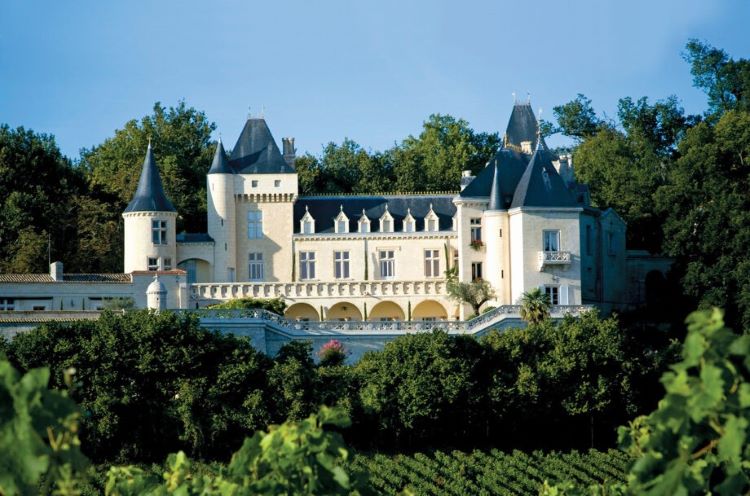
Château de La Rivière, a landmark of the Fronsac appellation, is more than a wine
estate, it is a destination. Spanning 100 hectares, with 65 hectares under vine, it
produces Merlot-led reds and Sauvignon-based whites and rosés. Its eight hectares of
underground cellars, carved into the limestone plateau, hold more than 700,000 bottles
and draw between 20,000 and 30,000 visitors each year.
Beyond tastings, the estate offers immersive experiences – guided tours through
candlelit tunnels, themed escape games, art exhibitions, and open-air concerts. The
château’s five guest rooms blend history and luxury, making it an established stop on
Bordeaux’s wine route.
For Luxembourg, wine is not just a drink, it is a living part of its cultural identity. The
country’s own Moselle region, running along the border with Germany, is home to
centuries-old vineyards producing Riesling, Pinot Gris, Elbling, and Crémant de
Luxembourg. Each year, the grape harvest is celebrated with festivals, tastings, and
open cellar days that draw visitors from across Europe.
While Luxembourg’s vineyards are modest in scale compared to France’s vast wine
regions, the Grand Duchy has cultivated a reputation for quality over quantity, with its
crisp whites and sparkling wines enjoying increasing recognition abroad.
The acquisition of Château de La Rivière opens the door to new synergies between
Bordeaux and the Luxembourg Moselle. Tourism experts say there is potential for
“paired” wine experiences, offering travellers a two-country itinerary, the heritage cellars
of Bordeaux’s Fronsac followed by the riverside terraces of Luxembourg’s Moselle.
Such cross-border packages could appeal to affluent wine enthusiasts, particularly from
Asia and North America, who often plan multi-country European trips. With Luxembourg
as both an investor and a promoter, the connection between the two wine regions could
become a selling point for the Grand Duchy’s tourism industry.
GFI has already signalled plans to modernise operations at the château while
safeguarding its history. Former Treasury Wine Estates executive, Sébastien Long, will
lead a reorganisation and oversee infrastructure improvements, working with long-
serving estate director Xavier Buffo.
Analysts say these upgrades could further boost wine tourism, both in terms of visitor
numbers and revenue per guest, while reinforcing the château’s brand internationally.
Increased visibility for Château de La Rivière’s wines could, in turn, spotlight
Luxembourg as a wine-savvy nation with global reach.
For Luxembourg’s economy, the acquisition aligns with a broader diversification
strategy, investing in heritage-rich assets that carry both financial and cultural value.
While the country’s banking sector remains its economic backbone, moves like this
demonstrate a willingness to leverage soft power in areas such as gastronomy and
tourism.
For wine lovers in Luxembourg, the link is now personal – a Grand Duchy-backed
company owns a major Bordeaux château. Whether this translates into more wine
tourists flowing in both directions remains to be seen, but the potential is clear.
As GFI begins its stewardship, the hope is that Château de La Rivière will not only
thrive in Bordeaux but also serve as an ambassador for Luxembourg’s enduring love
affair with wine. This affair now stretches from the banks of the Moselle to the rolling
hills of Fronsac.
Photo – Château de La Rivière Credit: Château de La Rivière