








Luxembourg on Guard as Toxic Algae Threatens Europe’s Waters
Luxembourg has given swimmers the all-clear this weekend after routine checks
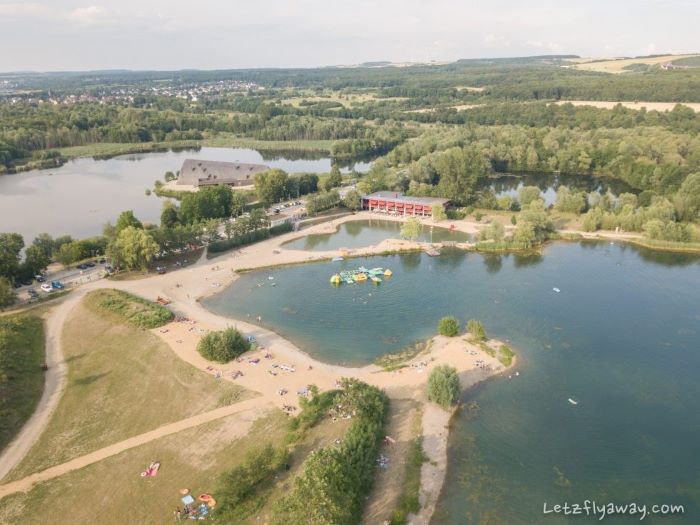
confirmed that none of its official bathing sites – Remerschen, Weiswampach,
Echternach, or the Upper-Sûre lake – have been hit by blue-green algae.
Behind the reassuring announcement lies a growing European concern. Blue-green
algae, also known as cyanobacteria, thrive in warm, nutrient-rich waters and can
produce potent toxins that endanger both human and animal health. Their presence
often forces authorities to close lakes and rivers at the height of summer, when demand
for outdoor swimming is at its peak.
While not all blooms are toxic, those that are can cause skin irritation, nausea, vomiting,
fever, or even liver damage in severe cases. Pets, especially dogs, are particularly
vulnerable when they drink from contaminated water. In France and Germany, similar
outbreaks in recent years have led to sudden closures of popular bathing spots and
warnings against fishing or boating.
Luxembourg’s vigilance reflects both precaution and geography. The country’s lakes are
relatively small, and rising summer temperatures combined with agricultural run-off
could provide the perfect conditions for blooms to develop. Testing is therefore carried
out weekly during the bathing season, ensuring swift intervention if cyanobacteria
appear.
For now, the absence of algae is a relief – not only for swimmers but also for the tourism
economy around the country’s inland lakes. Yet scientists warn that climate change,
with hotter summers and heavier rainfall washing fertilisers into waterways, makes
Luxembourg no less vulnerable than its neighbors.
The message, then, is twofold – enjoy the water this weekend, but stay alert. As one
environmental official put it recently, “We test not because there is a problem, but
because we know there could be one tomorrow.”
Photo – Remerschen Lakes