








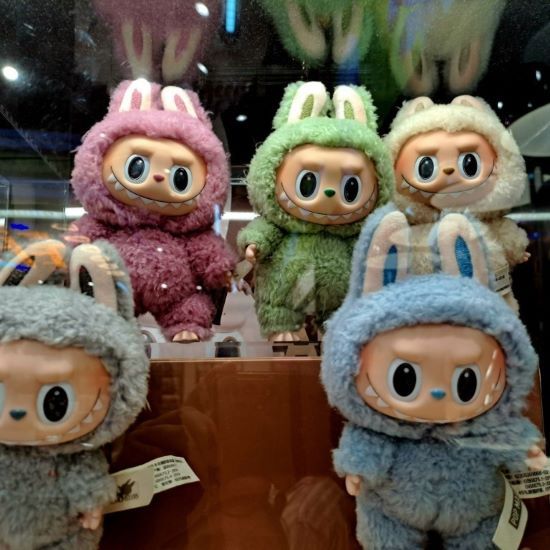
Labubu’s Meteoric Rise: How a Creepy Cute Elf Became a Global Phenomenon
The creator of Labubu, a quirky elf-like toy with sharp teeth and oversized eyes, has entered the ranks of the world’s 100 richest people, underscoring the extraordinary global impact of a physical toy in a digital age.
Labubu, designed by Hong Kong illustrator Kasing Lung and popularised by Chinese toy-maker Pop Mart, has rapidly evolved from a niche art piece into a global collectible. The toy’s “ugly-cute” aesthetic, described by fans as both creepy and endearing, has tapped into a growing appetite for unconventional characters among younger consumers.
Central to Labubu’s success is Pop Mart’s marketing model. The company sells the toy through “blind boxes”, in which buyers do not know which version they are purchasing. The format has turned each sale into a lottery, encouraging repeat purchases and driving demand for rarer editions. Some of these limited-release figures are now resold at several times their retail price on secondary markets.
Celebrity endorsements accelerated the craze. A social media post by Blackpink star Lisa in 2024 triggered a surge in global demand, while appearances of Labubu alongside figures such as Rihanna, David Beckham, and Naomi Osaka cemented its status as a lifestyle accessory rather than a children’s toy.
Pop Mart has also expanded the brand through immersive marketing. Robo-shops, pop-up events, and art-toy exhibitions have drawn thousands of visitors in Asia, Europe, and North America, turning purchases into experiences and deepening consumer loyalty. On platforms such as TikTok and Instagram, unboxing videos and collection showcases have amplified the hype, creating a global community of Labubu enthusiasts.
The commercial success has been striking. Pop Mart’s market value has soared, with founder Wang Ning, who controls nearly half the company, climbing rapidly up global rich lists. His fortune has expanded by tens of billions of dollars on the back of Labubu’s popularity, placing him 86th among the world’s wealthiest individuals.
The phenomenon highlights a surprising counter-trend in consumer culture – the enduring appeal of tangible, physical objects in a world dominated by screens and apps. For millions of buyers, Labubu is more than a toy; it is a collectible, a fashion symbol, and, increasingly, a cultural marker.
What began as an obscure character sketch has now become one of the most lucrative toys of the decade, with sales figures and cultural cachet to rival global brands.