



Professional Army Requires Professional Recognition – Luxembourg Soldiers Press for Legal Status
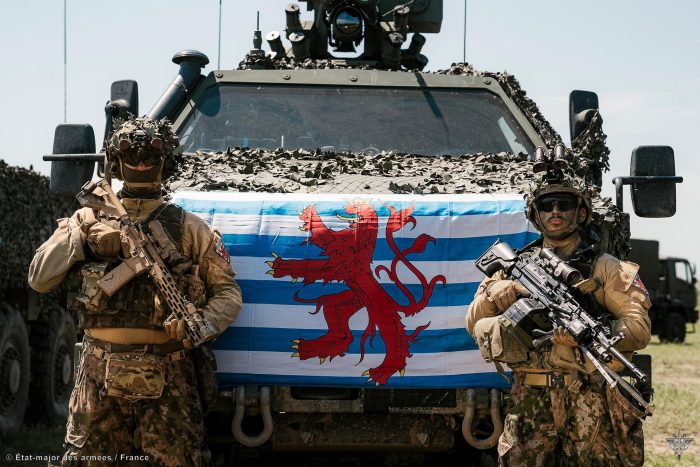
As Luxembourg prepares to channel more than a billion euros into defense, its soldiers
are warning that shiny equipment means little without a parallel investment in those
expected to use it. The Luxembourg Army Professional Union (SPAL) has called for a
“proper legal status” for the country’s troops, arguing that the absence of clear
protections undermine both morale and long-term readiness.
Unlike their counterparts in many European states, Luxembourg’s soldiers do not enjoy
the formal status of public employees. They serve on contracts that leave them outside
the structured C2 career path, with implications for pay progression, pensions, and job
security. This contractual status, the union argues, effectively treats soldiers as second-class
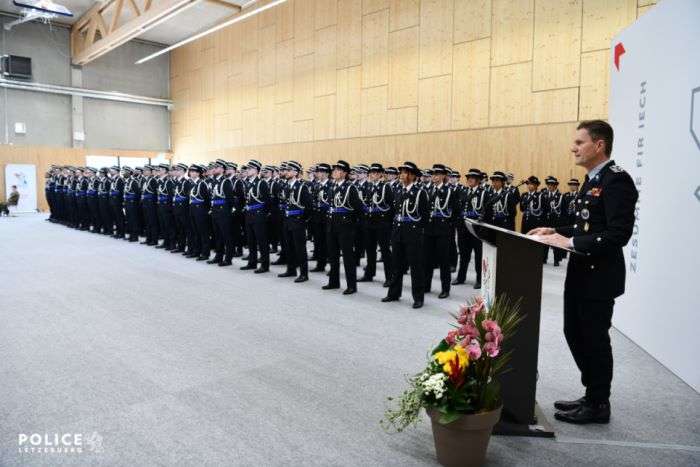
tier workers in a system where other uniformed services, such as police and customs,
benefit from stronger legal frameworks.
The impact is not merely financial. Without employee status, soldiers have fewer
guarantees on working conditions and long-term career stability. SPAL contends that
this makes the profession less attractive to recruits in a country already struggling with
high labor costs and a competitive job market. “You can invest billions in tanks,
barracks and technology,” one union official said, “but without people to operate and
maintain them, it is money wasted.”
Luxembourg’s army may be small, currently numbering around 900 active personnel but
its role extends beyond home soil. The Grand Duchy contributes troops to NATO and
EU missions, with deployments to Mali, Kosovo and elsewhere in recent decades. While
Luxembourg is shielded from direct warfare by its geography and alliances, its soldiers
are not passive participants – they are routinely sent on peacekeeping and stabilisation
missions, often in demanding environments.
Granting full employee status would, advocates say, bring tangible benefits. For the
soldiers, it would mean stable incomes, improved pensions, and recognition equal to that
of other state employees. For the country, it could strengthen recruitment, retention, and
morale – key issues as Luxembourg seeks to meet NATO’s defense spending targets. It
would also signal that the government values the human element as highly as matériel.
Luxembourg’s military has historically been modest in size and ambition. Once reliant
on conscription, it transitioned to a professional volunteer force in 1967, reflecting both
the country’s small population and its integration into wider European defense
structures. Today, as Luxembourg invests heavily in modernising its forces, soldiers
insist that a professional army requires professional recognition. The question now is
whether the government will match its investment in hardware with equal commitment to
the men and women in uniform.