








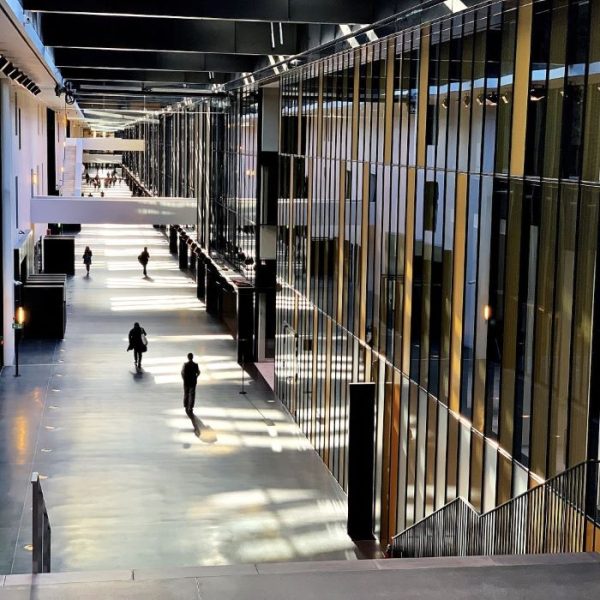
Luxembourg and the Strains of Asylum
Luxembourg, a small but wealthy and multilingual nation at the heart of Europe, faces both opportunities and challenges in its approach to welcoming and integrating refugees. With one of the highest proportions of foreign residents in the European Union, the Grand Duchy’s policies on international protection carry particular weight in debates about migration and identity.
While the country’s overall intake is modest compared with its larger neighbors, Luxembourg consistently ranks among the OECD states with the highest number of asylum seekers per capita, often second only to Greece. Around 73.7% of its population has a direct or indirect migratory background, according to 2021 data. Refugee numbers have grown steadily, with 13,735 people recorded in 2023, marking a 14.9% increase from the previous year. Applicants largely originate from Eritrea, Syria and Colombia.
By comparison, France, Germany and Belgium process far larger volumes of asylum claims but their greater populations dilute the proportional impact. Luxembourg’s small size means even modest increases are felt keenly, set against a demographic backdrop already shaped by high rates of legal and cross-border migration from neighboring countries.
The country’s system of protection rests on international conventions and EU law, offering two principal statuses. Refugee status, valid for five years and renewable, is granted to those with a well-founded fear of persecution based on race, religion, nationality, political opinion or membership of a social group. Subsidiary protection, also five years renewable, applies when applicants do not qualify as refugees but would face serious harm if returned home, whether through the death penalty, torture, degrading treatment or indiscriminate violence in conflict zones. A temporary protection regime, such as that triggered by the war in Ukraine, can be activated in exceptional circumstances. Applications must be lodged on Luxembourg territory, and serious criminal convictions can automatically exclude an applicant.
Those granted protection are provided with accommodation, health checks, and access to work, education, housing, and social benefits on par with nationals. Yet integration is not without obstacles. Luxembourg’s trilingual environment – Luxembourgish, French, and German- is often the greatest hurdle. French dominates the administration and much of the labor market, but citizenship demands proficiency in Luxembourgish, requiring applicants to pass a language test alongside a civics course on the country’s rights, institutions, and history. Naturalisation is possible after five consecutive years of legal residence, provided the final year is uninterrupted.
Luxembourg’s diversity is striking – nearly half its residents are foreign-born. Levels of segregation are generally low, with most municipalities reflecting a degree of daily coexistence. This has underpinned a reputation as an immigration success story, although studies highlight persistent inequalities in social and economic integration. Public opinion is often pragmatic, balancing recognition of immigration’s economic contribution with unease over language and cultural change. Political discourse is generally moderate, though right-wing populists have sought to exploit concerns over migration and national identity.
Ultimately, Luxembourg provides a robust legal path to protection and citizenship, underpinned by strong institutions and a formal emphasis on integration, but the trilingual environment and the expectation placed on migrants to adapt present enduring challenges. As global displacement rises, the Grand Duchy’s ability to reconcile its humanitarian commitments with social equity and identity politics will remain a defining test.
– By Moji Danisa – Dawodu
Photo – Infomigrants