








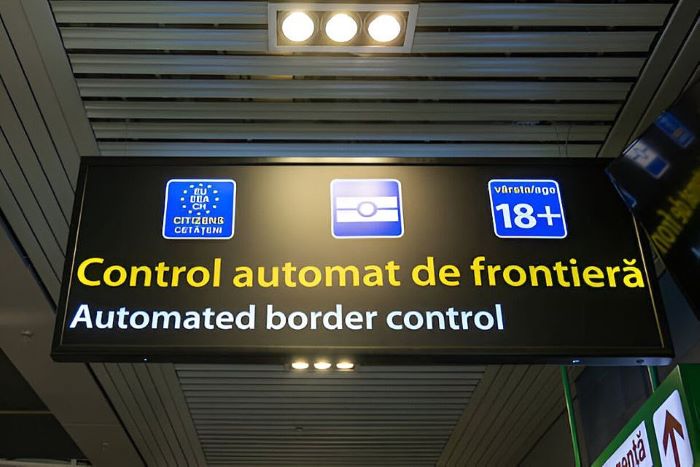
Europe Locks In Biometric Border Checks: The Reality Behind the EES–ETIAS Rollout
Europe will this Sunday, 12 October, take a major step towards digitising its borders with the rollout of the biometric-based Entry-Exit System (EES), replacing the traditional passport stamping process for non-EU visitors to the Schengen area.
The new system will record the facial images and fingerprints of third-country nationals entering and leaving the bloc, storing data in a central database designed to improve border management, reduce fraud and monitor overstays.
The EES-ETIAS Advisory Group confirmed that all EU member states are technically ready to connect to the system, though some will introduce it gradually over six months. Luxembourg, the Czech Republic, and Estonia are among the first to fully implement the new rules from day one, citing operational readiness and compact border infrastructures that make rapid adoption easier.
Officials say the system will help enforce the 90-day stay rule more efficiently, automate identity verification, and strengthen the fight against illegal migration and terrorism. “The EES will modernise how Europe manages its borders, ensuring greater security while facilitating legitimate travel,” an EU Commission spokesperson said.
The rollout comes as Europe prepares for the introduction of the European Travel Information and Authorisation System (ETIAS), which will require visa-exempt travelers to obtain pre-authorisation before entering the Schengen zone. Together, EES and ETIAS form a two-layered digital control system – one that checks travelers before departure and another that records their biometric data upon entry.
Luxembourg, Estonia, and Czechia were selected for full deployment due to their readiness and relatively smaller scale of border operations. Luxembourg has been testing biometric gates at its airport for months, while Estonia has invested heavily in securing its eastern borders with Russia. The Czech Republic has upgraded its land and air border points with new biometric kiosks to ensure seamless operation.
For travelers, the change means that the first entry into the Schengen zone after Sunday will take longer than usual, as fingerprints and facial images must be captured. Children under 12 will be photographed but exempted from fingerprint collection. Border officials have warned that early delays are likely as staff and systems adjust.
Tourism and business sectors have been advised to prepare for possible disruptions during the transition period, although officials expect smoother crossings in the long term. Airlines, cruise operators and train services have been working with border authorities to avoid congestion.
The EU insists that data protection will be strictly enforced under existing privacy laws, with biometric data stored only for a limited period and used solely for border management and law enforcement purposes.
While hailed as a modernization milestone, the system has drawn scrutiny from civil rights advocates who warn of the risks associated with large-scale biometric data collection. Still, European governments view EES as essential to safeguarding borders in an era of rising migration pressure and global mobility.
The rollout marks the start of a new phase in European travel – one where the familiar passport stamp gives way to a digital fingerprint, symbolising the continent’s drive towards a fully automated border regime.