




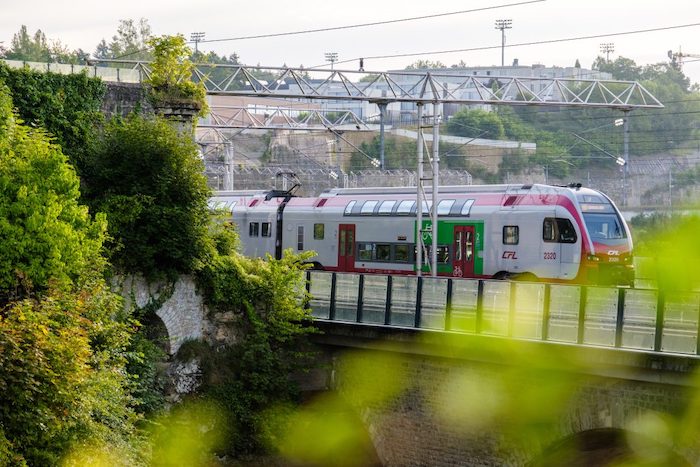
Profound Implications of Direct Rail from Luxembourg to Saarbrücken
Luxembourg’s plan to establish a direct rail route to Saarbrücken has stirred both
optimism and caution among transport experts and citizens, as the government moves
forward with a feasibility study that could halve journey times between the two cities.
The project, which aims to streamline the route and eliminate existing detours, could
reduce the current travel time of over an hour to about 30 minutes, transforming
commuting patterns and deepening regional economic integration.
Officials in Luxembourg see the potential new line as central to the country’s ambitions
for sustainable transport and cross-border cooperation. Thousands of workers commute
daily between Luxembourg and neighbouring Germany, France and Belgium, often
facing long and unreliable journeys. A faster train to Saarbrücken, which would connect
to Germany’s broader high-speed network, could make daily travel easier for the
workforce, ease congestion on the roads, and support the government’s ongoing efforts
to curb carbon emissions.
For ordinary citizens, the implications could be profound. Luxembourg’s high cost of
housing has already driven many to settle across the border in Germany’s Saarland
region, where accommodation is cheaper but commuting times are steep. A direct, rapid
connection would not only make cross-border living more viable but also expand
employment opportunities for residents of both countries. Businesses could benefit from
access to a larger labour pool, improved logistics, and closer ties with German industrial
and technology hubs.
Yet experts warn that turning the plan into reality will be far from straightforward. The
proposed line requires significant investment in track modernisation, signalling, and new
infrastructure, as well as close coordination with German authorities and Deutsche
Bahn. Germany’s ongoing rail renovation programme, which involves years of
scheduled works, could slow progress on the new corridor. Cross-border projects in
Europe are notorious for delays, particularly when funding, engineering standards and
political priorities differ between partners.
The Luxembourg transport ministry has not provided a firm timeline for when
construction might begin, though early results from the feasibility study are expected by
the end of the year. Depending on the outcome, officials say a phased approach could
be adopted, with partial upgrades implemented first to deliver some time savings before
full completion. Realistically, transport analysts suggest it could take a decade before
passengers experience the full benefits of a 30-minute journey.
While the vision is ambitious, many in the region believe it is worth pursuing. The direct
link could redefine the economic geography of Luxembourg and Saarbrücken, making
cross-border mobility faster, cleaner and more inclusive. Whether the political will and
technical coordination match the promise, however, remains to be seen.