








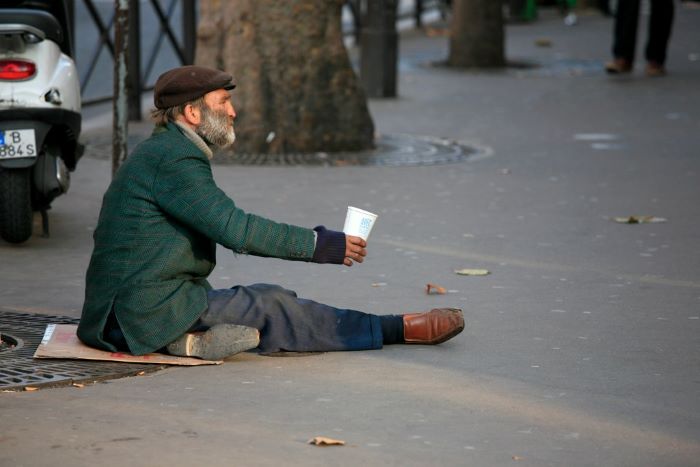
Luxembourg’s Anti-Begging Law: Punishing People for Being Poor – UN
The United Nations has condemned Luxembourg’s recent crackdown on begging and loitering, warning that the measures risk criminalising poverty and breaching international human rights standards. Luxembourg, long admired for its social welfare model, is now facing uncomfortable questions about how it treats its most vulnerable citizens.
At the centre of the controversy are municipal and national rules that impose fines and in some cases, short jail terms, on people found begging in public spaces. Luxembourg City, the capital, has already enforced a ban covering much of its commercial centre and train station area between 7 a.m. and 10 p.m. Under proposed national reforms, “aggressive begging” could become a criminal offence, and local authorities would be given greater powers to police behavior deemed “disruptive” in public.
The government insists the measures are designed to protect residents and tourists from harassment and to curb organised begging rings allegedly linked to trafficking networks. But human rights experts say the laws go too far. The UN High Commissioner for Human Rights recently cautioned that punishing people for soliciting alms violates the right to human dignity and may contravene Luxembourg’s obligations under international treaties such as the International Covenant on Economic, Social and Cultural Rights.
“Poverty is not a crime,” one UN spokesperson said. “When states penalise begging or loitering, they punish people for being poor, rather than addressing the social and economic roots of destitution.”
Legal scholars within Luxembourg have also expressed concern. The country’s Chamber of Deputies’ own scientific service has warned that the city’s ordinances may be unconstitutional. Civil society groups argue that instead of strengthening social safety nets, the government is resorting to quick, punitive fixes that make visible poverty disappear, at least from the view of commuters and tourists.
The timing is particularly sensitive. Luxembourg’s economy, though stable by European standards, has been showing signs of strain. Housing costs have soared beyond the reach of low-income workers, and inflation has eroded purchasing power. Charities report growing numbers of people sleeping rough, including migrants and low-wage earners who once managed to get by. For many, the streets have become the last refuge.
Officials point to ongoing social initiatives, night shelters, outreach programmes, and municipal assistance but aid organisations say demand far exceeds supply. “People are not begging because they want to,” said a Caritas representative. “They are begging because they cannot afford a roof over their heads in one of the most expensive cities in Europe.”
The UN’s rebuke has reignited debate about what kind of society Luxembourg wants to be – one that hides its poor or one that helps them. Experts recommend expanding affordable housing, adopting “Housing-First” policies, and investing in street outreach rather than policing.
For those already destitute, the choices are bleak. They can seek help from local charities, contact municipal social services, or take their chances on the streets and risk a fine for doing so. In the shadow of Luxembourg’s gleaming banks and EU institutions, the question lingers – how can one of the richest nations on earth still find itself punishing people simply for being poor?
