


How Well Prepared is Luxembourg in Cases of Medical Emergency?
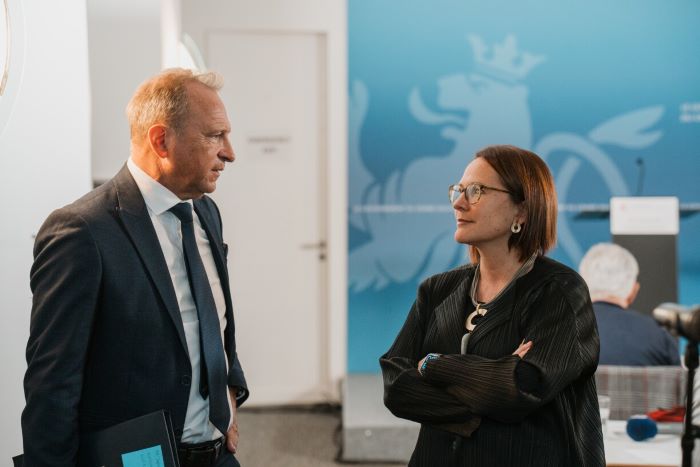
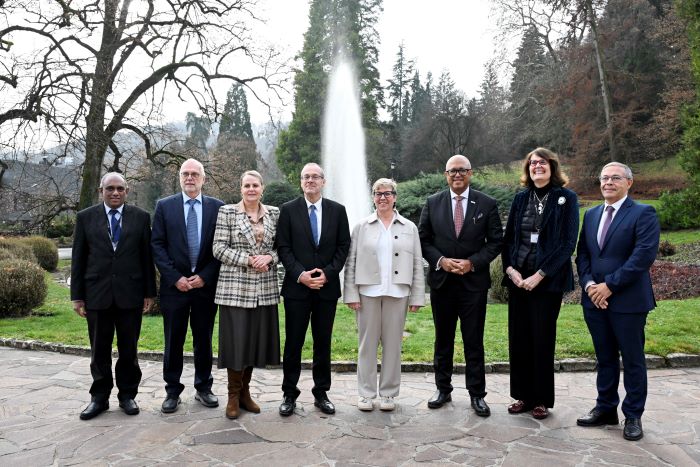
Luxembourg has hosted a high-level mission under the Universal Health and Preparedness Review, drawing senior officials from the and European health institutions to examine how well the country is prepared for future medical emergencies. The decision to hold the mission in the Grand Duchy was driven in part by its voluntary request to undergo the assessment, a gesture interpreted as a sign of political will to strengthen national resilience and set an example within the European Union.
Over two days of discussions, held at Senningen Castle, experts reviewed Luxembourg’s public-health readiness, drawing lessons from the pandemic era and evaluating how well national systems can respond to major health threats. The review acknowledged the country’s strong political commitment to emergency readiness and its well-resourced health-care network, but it also identified areas requiring deeper reinforcement. Among them were the need for a clearer legal framework for crisis response, improved data systems capable of integrating information across agencies, stronger medical and logistical stockpiles, and better surge capacity during large-scale emergencies. The mission also encouraged Luxembourg to formalise a comprehensive national action plan for health security and to widen its cooperation with neighbouring states, recognising that health threats increasingly ignore borders.
The review’s conclusions underscored that even the most advanced health-care systems remain vulnerable without long-term investment, robust coordination mechanisms and well-trained personnel. The mission’s resolutions are expected to be integrated into Luxembourg’s broader national resilience strategy, which aims to secure the supply of essential medicines, protect continuity of care and enhance preparedness across public and private sectors.
The visit also raised a broader question – which countries are best prepared for serious medical emergencies? While no state is considered fully ready, international assessments have historically ranked countries such as the United States, the United Kingdom, the Netherlands, Australia and Canada among the strongest. Outside the typical group of high-income states, Thailand and South Korea have been recognised for notable readiness and rapid response capacity. Yet the global pandemic revealed that preparedness on paper does not always translate to performance in practice. Public trust, political decisiveness and social cohesion proved to be as important as laboratory capacity and surveillance systems.
Luxembourg’s engagement with the UHPR illustrates that preparedness is not confined to large states with extensive infrastructure. Smaller countries, when willing to submit themselves to external scrutiny and adapt accordingly, can play an outsized role in advancing global health security. For the WHO, which has long advocated for a culture of transparency and peer learning, Luxembourg’s approach offers a model of humility and long-term commitment. In a world facing increasingly complex health threats, from pandemics to climate-linked crises, that may prove as valuable as any structural reform.
Photo – © SIP / Frédéric Sierakowski