



Europe Confronts Deepening Rift Over China’s Pork Tariffs
Belgium has raised the alarm within the EU’s Agriculture Council over what it describes as a mounting threat to the bloc’s internal market, following China’s decision to extend and intensify its anti-dumping probe into European pork.
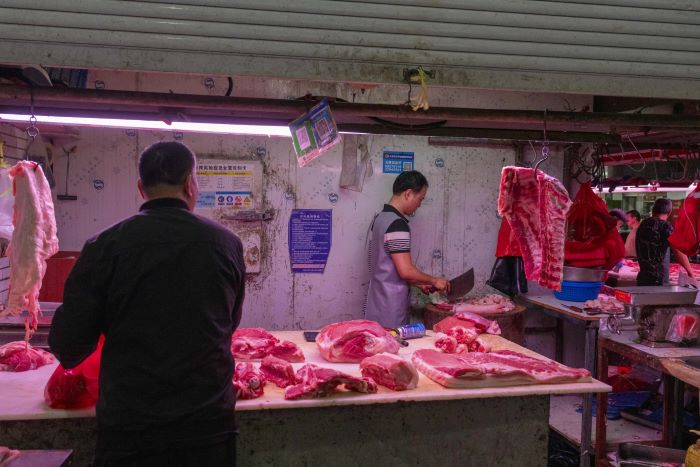
Beijing launched the investigation in June 2024, targeting fresh, chilled and frozen pork products from across the EU. The review has since been prolonged until December 2025, and preliminary findings published in early September claim to confirm long-standing allegations of dumping. Provisional duties were swiftly imposed, with rates ranging from 15.6% to 32.7% for companies that cooperated fully with Chinese investigators.
But for firms that did not – or could not – take part in the process, the penalty is far stiffer. Non-cooperating exporters now face a tariff of 62.4%, a level that effectively shuts the Chinese market to them. Belgium has been hit hardest, after its pork sector was sidelined by a Chinese embargo triggered by African swine fever in 2018, its companies were excluded from the investigation altogether, leaving them automatically categorised in the highest-tariff band.
Belgian officials warned that the asymmetry threatens to fracture the EU’s pork sector by pitting member states and companies against one another. The tiered tariff structure, they argued, risks weakening the principle of European solidarity at a moment when geopolitical tensions are increasingly shaping global trade.
Brussels has been urged to step in decisively. Belgium called on the European Commission to intensify diplomatic efforts with Beijing, to defend uniform treatment for all member states caught in the investigation, and to prepare support or emergency measures should the current imbalance persist. Without a coordinated EU-level response, the country cautioned, the situation could deteriorate rapidly, inflicting long-term damage on one of Europe’s key agricultural industries.