



Tesla’s electric motorbike concept sparks debate over the future of two-wheel travel
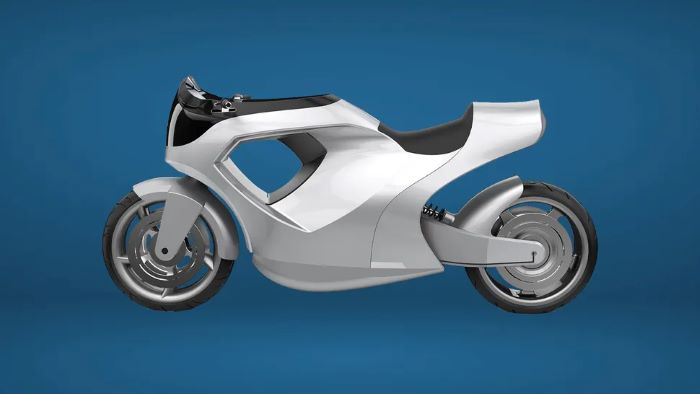
Reports that Elon Musk has overseen early tests of first electric motorbike have reignited questions about whether the company that reshaped the global car market now intends to upend motorcycling. Although still at concept stage, the prototype is understood to combine a high-density battery system with a minimalist, angular frame more reminiscent of a sci-fi sketch than a traditional road bike, prompting equal measures of excitement and scepticism.
The machine is expected to rely on a compact battery pack integrated into the lower frame, powering a single electric motor and controlled largely through software-driven systems. Early details suggest the bike may feature adaptive torque delivery, traction control and even a self-balancing function to stabilise the machine at low speeds, drawing from Tesla’s robotics research. Charging would likely be tied into the existing Supercharger network, and with a far smaller battery than a car, full charges could be completed in a fraction of the usual time. Regenerative braking is also anticipated, feeding energy back into the system during deceleration.
Yet questions are already being raised about the practicality of the design. The concept’s sharp lines, elevated seat and low handlebars may create a striking silhouette, but they offer limited clues about comfort or storage, two considerations central to riders who use motorcycles for daily commuting. Critics argue that Tesla appears to prioritise futuristic aesthetics over long-term rideability. Supporters counter that the bike is designed for a new type of rider altogether – one drawn less to engine noise and mechanical grit and more to clean energy, advanced assistance systems and instant electric acceleration. If the balancing system and torque management work as intended, the bike could attract newcomers who might otherwise find traditional motorcycles intimidating.
No firm rollout date has been announced, and internally the project is believed to sit behind other Tesla priorities. Musk has previously dismissed motorcycles as “too dangerous”, yet the company’s growing interest in diversified mobility technology has fuelled speculation that a public unveiling could arrive within the next few years. Any launch would still require extended testing and regulatory approval, as motorcycle safety standards differ significantly from automotive rules.
Whether this signals the future of biking remains uncertain. Electric motorbikes are already on the market, but none have catalysed a cultural shift comparable to Tesla’s impact on cars. Should the company produce a machine capable of long range, rapid charging and intuitive handling, it could accelerate adoption—particularly in cities where noise, emissions and rising maintenance costs are pushing younger riders toward alternative mobility. Still, broader hurdles remain, from charging infrastructure to affordability and the deep-rooted culture of petrol-powered riding.
For now, the concept highlights a possibility rather than a promise: that the next major disruption in transport may not come on four wheels, but two. Whether riders embrace a silent, software-driven machine will determine if Tesla’s motorbike becomes the blueprint for the future or simply another bold experiment.
(Image credit: Tesla)