




Tariffs, Tantrums and Ghost of a “Big Stick”
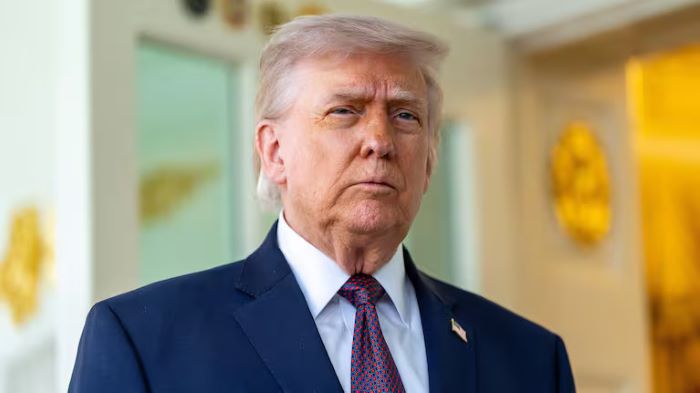
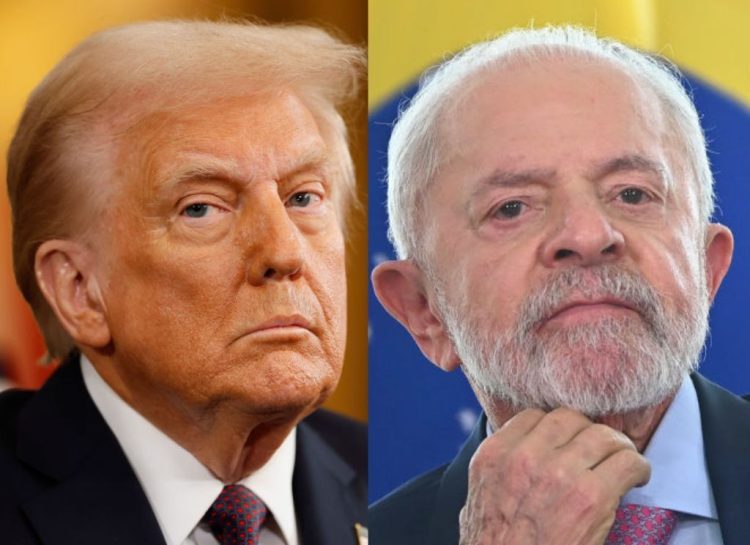
President Trump’s decision to slam a punishing 50 percent tariff on all imports from Brazil may play well to a crowd eager for spectacle, but it is neither wise nor sustainable when viewed through the long lens of U.S. policy in Latin America or the imperatives of global trade. What started as a personal spat after Brazil’s President Lula da Silva dismissed Trump as an unwanted emperor has quickly spiraled into an economic confrontation that threatens to undo decades of delicate regional diplomacy and commercial interdependence.
At the heart of Trump’s letter justifying the tariffs is a striking logic. He cites Brazil’s alleged mistreatment of former President Jair Bolsonaro, who faces trial over an attempted coup, as a direct threat to free elections and free speech rights of Americans. This line of reasoning is not just curious, it is alarmingly reminiscent of old gringo habits in Latin America. It echoes the era of the Monroe Doctrine and Theodore Roosevelt’s Big Stick, when Washington routinely presumed to police the hemisphere, dictating who should govern where, and punishing those who strayed from the script.
Trump’s tariffs carry the same patronizing undertone. By linking them to Brazil’s domestic judicial process, he positions the United States not merely as a trading partner, but as a sort of colonial overseer, entitled to meddle in Brazil’s internal affairs. Lula’s stinging response was predictable and necessary. He reminded the world that Brazil is a sovereign nation, guided by its own constitution and courts. His government’s emergency meeting underscored the seriousness with which Brazil views this affront.
The question is whether reducing Brazil to a subordinate in the style of its plantation and mercantilist past is a rational policy for the 21st century. In the age of slavery and imperial monopolies, Brazil’s wealth flowed outward, enriching European powers and their associates in the United States while Brazilians labored under systems designed for extraction. Even during Brazil’s industrial takeoff in the second wave of industrialization, the commanding heights of its economy were often owned or controlled by foreign conglomerates. Trump’s tariffs seem to yearn for this earlier imbalance. They threaten to pull Brazil back into a dependent mold, where Washington dictates economic outcomes by sheer force.
There is also the problem of consistency. Brazilian politics should be for Brazilians to decide. The spectacle of Trump playing police, prosecutor, judge and jailer of Brazilian affairs while also hoping to be banker to Brazil’s economy is unseemly. Is Brazil no longer a free country? Must it once again be subjected to something akin to “Operation Candor,” when foreign operatives decided which Brazilian politicians to prop up or take down? Worse still, does Trump seriously believe this will work? The odds are slim. History shows that attempts to bend sovereign nations through heavy-handed economic coercion often backfire, breeding resentment rather than compliance.
Nor does this policy make economic sense for the United States. The tariffs are set to ripple through American markets, driving up costs on everything from coffee to orange juice. Brazil is the world’s largest producer of coffee and a giant in orange juice, sugar, beef and ethanol. These are staples of the American kitchen table. The CitrusBR industry group has already warned that the move jeopardizes thousands of U.S. jobs linked to Brazil’s long-standing role as main supplier. The real-world consequence of Trump’s bluster will likely be higher prices for American families and fewer options on grocery shelves.
More profoundly, this kind of economic muscle-flexing against Brazil signals a retreat from the norms of fair trade and multilateral engagement that have anchored U.S. global commerce for decades. It undermines America’s credibility at a time when the international trading system is already under strain. Pushing Brazil toward reciprocal tariffs risks setting off tit-for-tat spirals that could damage industries far beyond agriculture. Investors detest uncertainty, and few things generate it like erratic trade wars fueled by personal vendettas.
There is also the matter of political decorum. It profits an American president little to be so voluble about things better left unsaid. Trump’s loud embrace of Bolsonaro, a figure under trial for undermining Brazil’s democracy, is at best tactless. At worst, it telegraphs a dangerous willingness to interfere in allied democracies’ legal affairs. Calling Brazil’s judicial process a “witch hunt,” echoing the defenses Trump uses for himself, does not advance U.S. interests or stature in Latin America. It cheapens both.
Ultimately, these tariffs and the rhetoric wrapped around them are a throwback to outdated thinking. They revive the ghosts of U.S. hegemony in Latin America without offering a sustainable blueprint for partnership or growth. If Washington truly wishes to lead, it must do so by example—through respect for sovereignty, encouragement of mutual prosperity and commitment to the rules that make global trade a stabilizing force. Anything else risks leaving both Brazilians and Americans worse off, locked in an avoidable quarrel that serves little beyond bruised egos.
Opinion Analysis – David Danisa