






Active Volcanoes Beneath Germany’s Eifel Region, Time for Increased Vigilance
Recent scientific observations have definitively dispelled the long-held theory that the
volcanic region in Germany, specifically the Eifel, near the Luxembourg border, was no
longer active. For many years, the picturesque landscape of the Eifel, characterized by
its numerous maars (crater lakes formed by explosive volcanic eruptions) and ancient
volcanic cones, was considered a relic of a past geological era. The last major eruption,
that of the Laacher See volcano, occurred around 13,000 years ago, a blink in
geological time but long enough for the region to be deemed dormant or even extinct.
However, geophysicists have detected subtle yet unusual movements in the Earth’s
surface in this area, alongside persistent small earthquakes and underground heating.
These phenomena suggest that the Eifel volcanic region is not only not extinct, but is an
active volcanic system. Evidence points to the presence of a mantle plume beneath the
Eifel, extending hundreds of kilometers into the Earth, which brings heat close to the
surface and can melt the lower parts of the Earth’s crust, forming magma. The rising
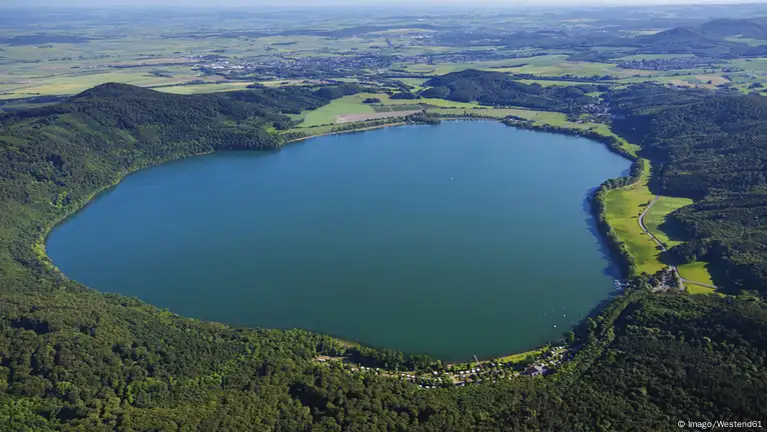
carbon dioxide gas bubbles at Laacher See also serve as a strong indicator of ongoing
magmatic activity beneath the surface.
The implications of this reawakening are significant. While scientists are quick to
emphasize that these findings do not suggest an imminent eruption, they do point to an
increased long-term volcanic and seismic risk for this densely populated part of Europe,
which includes areas of Germany, Belgium, the Netherlands, France, and Luxembourg.
Understanding the dynamics of this “deep sleeper” volcano is crucial for future risk
assessment and mitigation strategies.
The reclassification of the Eifel as an active volcanic region necessitates closer
monitoring and further research. It highlights the dynamic nature of our planet’s geology
and serves as a reminder that even seemingly dormant areas can hold significant, albeit
long-term, geological hazards. For local populations and authorities, this means a need
for increased awareness, preparedness, and potentially, the development of early
warning systems if more pronounced signs of activity emerge in the future.