






Air India Crash: The 30 Second Abyss, When Core Controls Go Rogue
In the unforgiving world of aviation, where margins of error are measured in
microseconds and feet, a preliminary report into the horrific Air India Boeing 787-8
Dreamliner crash on June 12th has unveiled a chilling mystery at its core: the
inexplicable movement of engine fuel control switches from “run” to “cutoff” mere
seconds after takeoff. This isn’t just about a mechanical failure; it’s about the
fundamental interface between human and machine, and the terrifying consequences
when that interface goes catastrophically wrong.
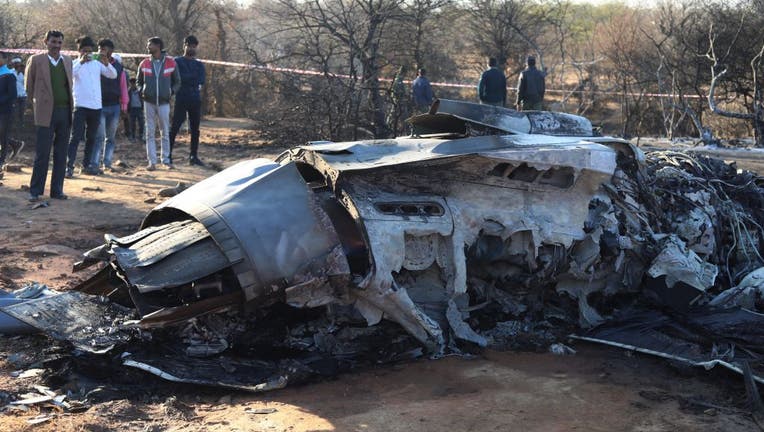
The numbers are stark: 260 lives lost, 19 more on the ground, and a flight duration so
brief it barely registers – a mere 30 seconds from roaring ascent to a fiery, devastating
impact in Ahmedabad. But within that fleeting half-minute, a critical sequence of events
unfolded that has stunned aviation experts and left investigators scrambling for
answers.
The Aircraft Accident Investigation Bureau’s preliminary report paints a bewildering
picture. As the Dreamliner reached its initial climb, “Engine 1 and Engine 2 fuel cutoff
switches transitioned from RUN to CUTOFF position one after another” within a single
second. These aren’t minor toggles; they are the lifeblood of the aircraft, controlling the
very flow of fuel that powers its immense engines. The immediate result was
predictable, yet catastrophic: a sudden, drastic loss of engine thrust, pushing the state-
of-the-art jetliner towards an inevitable descent.
What makes this particularly unsettling is the apparent confusion in the cockpit. The
report, citing the cockpit voice recorder, reveals a chilling exchange in the flight’s final
moments. One pilot, recognizing the dire situation, is heard asking the other why he cut
off the fuel. The response? A bewildered denial. “He did not do so,” the other pilot
reportedly responded. This suggests not a deliberate act, but something far more
insidious – an unintended input, a profound misunderstanding, or a scenario not
accounted for in even the most rigorous training.
Terry Tozer, a seasoned aviation expert and former airline pilot, didn’t mince words to
Sky News, calling the engine cutoff switches being flipped off “absolutely bizarre.” He
underscored the tragic timing: “Unfortunately, the altitude was so low that the engines
were only beginning to recover and they didn’t have enough time.” Indeed, while the
pilots valiantly attempted to rectify the situation, flipping the switches back to “run,” the
aircraft had already lost too much precious altitude to recover before hitting the ground.
The desperate “MAYDAY MAYDAY MAYDAY” call, transmitted in those final, terrifying
seconds, stands as a testament to the crew’s realization of their dire predicament.
Beyond the Black Box: Preventing the Unthinkable
This incident throws a harsh spotlight on the very design and operational philosophy of
plane control switches, and crucially, how we can prevent such “bizarre” and
devastating accidents in the future. The preliminary report, while not yet recommending
specific actions for Boeing, inevitably raises fundamental questions about cockpit
ergonomics, human-machine interface design, and even the potential for system
safeguards.
One immediate area of focus will undoubtedly be the physical design and placement of
such critical switches. Are they adequately guarded against accidental activation? Is
their positioning intuitive, minimizing the risk of misidentification, especially under high-
stress conditions like takeoff? While modern cockpits are designed with layers of
redundancy and safety protocols, the Air India crash suggests a vulnerability that needs
urgent re-evaluation.
Beyond the physical, the role of automation and its interaction with manual controls will
come under intense scrutiny. In highly automated aircraft like the Dreamliner, are pilots
sufficiently trained to recognize and react to unexpected manual interventions, even if
unintended? Could there be “interlocks” or “confirmations” built into the system for such
critical controls, requiring a multi-step process or a consensus from both pilots before a
drastic action like a fuel cutoff is executed?
Furthermore, the “confusion” reported in the cockpit points to the critical importance of
Crew Resource Management (CRM). Effective communication, mutual monitoring, and
clear understanding of each other’s actions are paramount in preventing errors from
escalating into catastrophes. Could improved CRM protocols or even technological aids
help mitigate such misunderstandings in moments of extreme pressure?
Finally, the incident underscores the need for continuous, rigorous investigation and a
commitment to learning from every aviation accident, no matter how perplexing. The
“news behind the news” here is that even with decades of advancements in aviation
safety, the human element remains a complex and sometimes unpredictable variable.
The Air India tragedy serves as a stark reminder that as aircraft become more
sophisticated, the focus on the interface between human and machine must become
even more precise, robust, and foolproof. The aim is not just to understand what
happened in those 30 seconds, but to ensure that such an abyss is never entered
again.