



“Minority has its say”, Luc Holtz Steps Aside
In what the Luxembourg Football Federation (FLF) has described as a mutual agreement, Luc Holtz will step down as national team coach at the end of December 2025. This carefully worded announcement appears on the surface to be an ordinary managerial transition. However, the timing and surrounding circumstances cast long shadows that raise unsettling questions about the independence of sporting decision-making in Luxembourg, and the subtle dangers when vocal interest groups exert disproportionate influence on national institutions.
Holtz’s record as coach has been commendable by any fair standard. Under his leadership, Luxembourg achieved unprecedented competitiveness, narrowly missing out on qualification for Euro 2024, which would have been a historic first. Holtz, a former international himself, brought pride and a sense of identity to a small footballing nation accustomed to occupying the lower rungs of European football. Despite this, his tenure became increasingly strained due to his principled resistance to excluding Gerson Rodrigues, arguably the most gifted player ever to don the Luxembourg jersey.
Rodrigues was convicted in 2024 of domestic violence and lost his appeal in April 2025. These facts are serious and deserving of public scrutiny. Yet it is equally vital to underline that no court ordered Rodrigues barred from earning a living or representing his country in football. The justice system imposed fines and a suspended sentence, signaling that he should be monitored but not completely banished from society. Still, certain vocal groups — emboldened by moral outrage, however genuine — sought to override both the courts and the very idea of proportional punishment.
Holtz’s stance was clear: he was not a judge or prosecutor. He evaluated Rodrigues purely on footballing merit. For this, he faced intense criticism from feminist organizations, politicians and segments of the media. Some Irish fans waving red cards during a friendly only fueled this orchestrated shaming campaign. Eventually, the steady drumbeat of condemnation appears to have worn down the resolve not just of the coach, but of the FLF itself.
This episode exposes a troubling dynamic. A passionate, media-savvy minority effectively compelled the country’s footballing authorities to reconsider the future of both coach and player. No national poll was conducted to determine if this view reflected the majority. The courts, which exist precisely to adjudicate guilt and prescribe penalties, did not task society to enforce extra sanctions through professional exclusion. Nor did any recognized moral authority — religious or civic — mandate that Rodrigues be forever banished from public representation.
That some fans felt discomfort or anger at seeing Rodrigues play is understandable. But a modern, pluralistic society must resist the temptation to outsource complex questions of rehabilitation and professional eligibility to the loudest segments of social opinion. If we allow small but organized groups to dictate who may or may not represent a country based on offenses unrelated to sporting capability, we stray dangerously close to mob rule.
What happens next? Having succeeded in ousting Holtz, those same forces may now expect his successor to comply with their moral agenda. Future coaches, wary of personal reputational damage or institutional reprimand, might preemptively exclude players to avoid controversy. This would fundamentally alter the nature of selection, prioritizing public relations over the core task of building the strongest possible team.
Even beyond football, the logic of such pressure invites unsettling hypothetical extensions. Should his foreign club also come under pressure to bench Rodrigues? If he were a musician, would calls arise to cancel his performances? If he swims, should he be banned from pools? The absurdity of such scenarios underlines why societies have courts: to impose measured penalties and determine when someone remains fit to participate in normal civic life.
Most distressing is the implication for Luxembourg’s sporting institutions. The FLF’s willingness to reach this “mutual” parting of ways, with barely disguised relief at restoring a quiet public sphere, suggests that it may be easier to bend than to defend footballing independence. In doing so, it risks signaling that performance and fairness on the field will always be secondary to the approval of whichever lobby shouts loudest.
Most distressing is the implication for Luxembourg’s sporting institutions. The FLF’s willingness to reach this “mutual” parting of ways, with barely disguised relief at restoring a quiet public sphere, suggests that it may be easier to bend than to defend footballing independence. In doing so, it risks signaling that performance and fairness on the field will always be secondary to the approval of whichever lobby shouts loudest.
By David Danisa
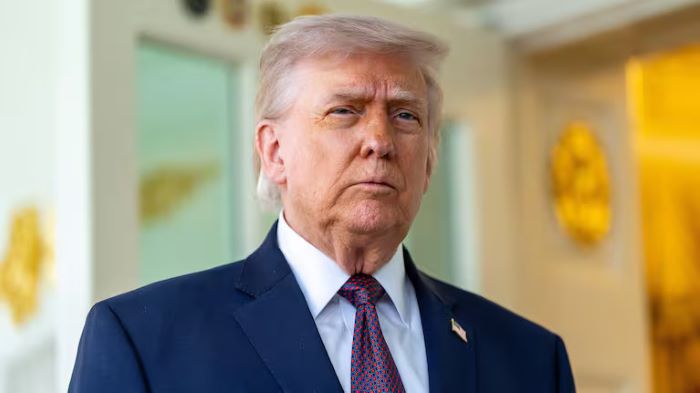
Photo – Luc Holtz, Manager – Luxembourg national football team © Ben Majerus