



Luxembourg’s Changing Tone on Migration
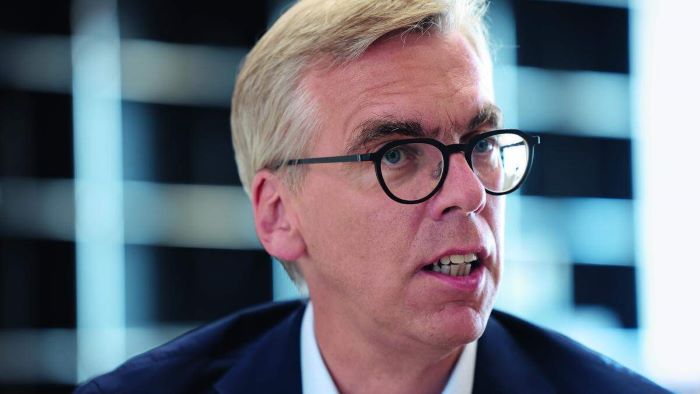
Luxembourg continues to back Germany’s hardline migration approach, Minister Léon
Gloden confirmed ahead of an EU interior ministers’ meeting focused on strengthening
border controls and accelerating asylum returns.
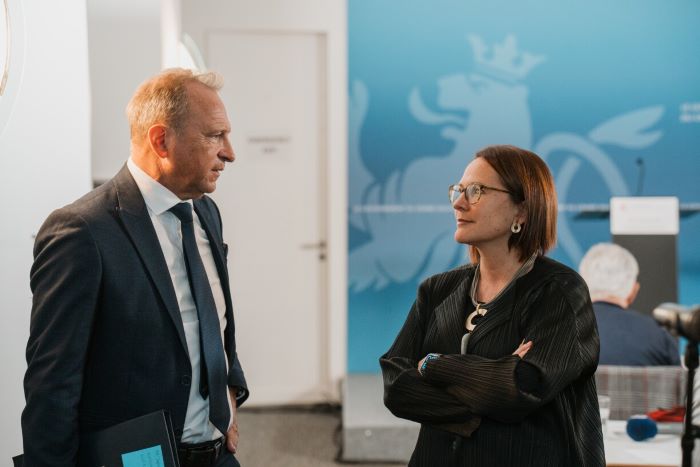
Speaking in Copenhagen, Gloden aligned Luxembourg firmly with Berlin’s push for a
coordinated European response to irregular migration. “We must act together.
Luxembourg supports a common, firm European policy on asylum and returns,” he said.
The Grand Duchy, historically open to migrants and asylum seekers, has in recent
months moved to tighten its policies in line with evolving EU rules. In 2024, Luxembourg
received 2,018 asylum applications, a drop from 2023 but increased the number of
deportations and voluntary returns by more than 50%, according to national statistics.
Reforms to immigration and asylum laws, implemented last year, have made it easier
for authorities to detain and deport failed asylum seekers, while also introducing harsher
penalties for employers who hire undocumented migrants. Fines now range up to
€125,000 in aggravated cases, with the possibility of jail time.
In September, Luxembourg opened Maison retour, a centre dedicated to encouraging
voluntary repatriation. Located in Kirchberg, the facility houses up to 170 individuals and
offers reintegration support, including financial and psychological assistance. Authorities
say most returns so far have been voluntary, in line with the government’s preferred
approach.
Despite these changes, Prime Minister Luc Frieden has ruled out reintroducing internal
border checks, saying they are “ineffective” and would disrupt the country’s reliance on
cross-border workers. Luxembourg instead supports reinforcing the EU’s external
borders and expanding the role of the bloc’s border agency, Frontex.
The shift in Luxembourg’s stance comes as the EU prepares to implement the New
Pact on Migration and Asylum by 2026. The pact includes faster asylum procedures,
shared responsibility among member states, and expanded deportation powers
elements, Luxembourg has publicly supported.
Human rights groups have voiced concern over the EU’s increasing reliance on
detention and deals with third countries to manage migration flows. However,
Luxembourg insists its approach remains humane while responding to growing pressure
on national systems.
Gloden’s remarks in Copenhagen underline Luxembourg’s changing tone on migration,
still committed to European solidarity, but increasingly aligned with the bloc’s tougher,
more enforcement-driven strategy.