







‘Forever Chemicals’ Threaten Europe’s Heartlands
In the quiet heart of Europe, far from the industrial giants that first manufactured them,
an unseen crisis is unfolding. Luxembourg, a nation synonymous with prosperity and
pristine landscapes, is grappling with a contamination that knows no borders. The
culprit? “Forever chemicals” – a vast family of thousands of synthetic substances known
as per- and polyfluoroalkyl substances, or PFAS.
These chemicals, lauded for their ability to repel water, oil, and stains, have been
mainstays of modern life since the 1950s. From non-stick frying pans and waterproof
jackets to food packaging and firefighting foam, their uses are ubiquitous. But their
incredible stability, the very quality that made them so useful, is now their most
dangerous trait. The carbon-fluorine bond at their core is one of the strongest in nature,
meaning these chemicals do not break down in the environment. They accumulate in
our soil, our water, and our bodies, persisting for generations.
The health implications are now coming into stark focus. A growing body of scientific
evidence links PFAS exposure to a grim catalogue of adverse effects, including kidney
and testicular cancers, liver damage, thyroid disease, and developmental issues in
children. They can weaken the immune system, making us more susceptible to
infections and reducing the efficacy of vaccines.
For Luxembourg, a recent investigation revealed alarming levels of a PFAS breakdown
product, TFA, in its waterways and drinking water sources. The findings, a collaboration
between environmental groups and the University of Luxembourg, shattered the myth
that this was a problem confined to industrial hotspots. Instead, the pollution was
widespread, particularly in rural, agricultural areas, pointing to the use of PFAS-
containing pesticides as a significant source. The nation’s waters, including the Alzette
river, showed concentrations exceeding proposed EU safety limits.
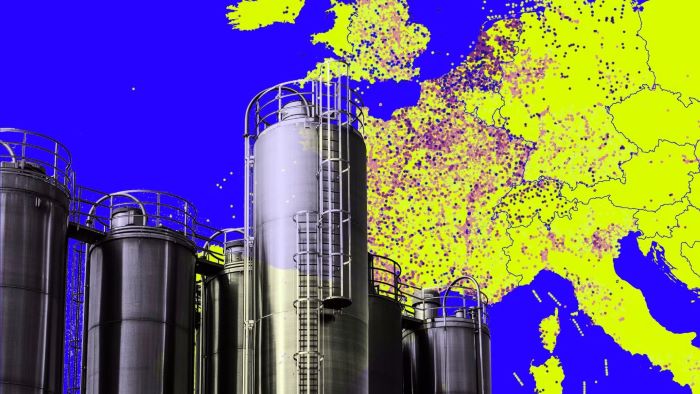
Luxembourg’s struggle is a microcosm of a much larger, global issue. Countries across
Europe and beyond are discovering the same insidious contamination. From the
Netherlands and Germany, which have joined forces with Luxembourg in a push for a
Europe-wide ban, to the United States, where the EPA has set enforceable limits in
drinking water, the regulatory response is gaining momentum. The challenge, however,
is immense. With over 10,000 different PFAS substances in existence and the industry
developing new compounds to replace those that are regulated, the battle is far from
over.
Getting rid of these chemicals is incredibly difficult, often simply concentrating
them into other residues. The global community is now racing against the clock,
knowing that a significant portion of the PFAS released today will haunt our planet for
countless generations to come.
However, there’s some good news, as the Water Management Office’s laboratory in
Belval which carries out regular analysis on the PFAS has announced that the Grand
Duchy has a relatively low concentration of PFAs”.
Image copyright – Financial Times