







Luxembourg at the Crossroads as Shifting Migration Routes Test Schengen Borders
German authorities have detected more than 4,100 illegal entries across their borders
with Belgium, France and Luxembourg since mid-September last year, with roughly
1,300 of them coming from Luxembourg. The figures, released by federal police,
underscore how shifting migration routes and political pressure are reshaping Europe’s
internal border controls.
The uptick comes as smugglers adapt to crackdowns on traditional Mediterranean and
Balkan corridors, diverting people through Western Europe. Data from Frontex, the EU’s
border agency shows that while overall irregular arrivals into the bloc fell by 38% in
2024, crossings on the Western African route, largely from Mali, Senegal, and
Mauritania – surged by more than 500% in early 2024. Migrants arriving in Spain and
France can travel to neighboring countries via the Schengen zone, with
Luxembourg’s location making it a convenient transit point.
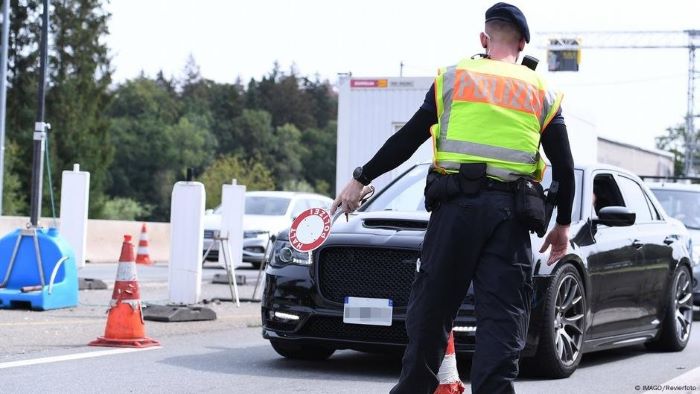
Germany reintroduced temporary checks on all land borders, including those with
Luxembourg, France, and Belgium, in September. Officials cited irregular migration,
public order concerns, and the need to disrupt smuggling networks. The move followed
several high-profile crimes involving asylum seekers and growing pressure from the far
right. Courts have since questioned the legality of some rejections at the border, while
police unions warn that the controls are straining resources.
Luxembourg, with a population where nearly half are foreign residents, has long been
known for its generous welfare system and integration programs. Officials deny that
its immigration laws are more lenient than those of its neighbors, insisting that the rise
in detected crossings reflects geography and the free movement inherent in Schengen,
rather than policy. Luxembourg’s authorities have been reluctant to accept returns of
migrants refused entry to Germany, adding to cross-border tensions.
Analysts say the three countries most affected – Germany, Belgium and France, face a
common challenge – how to balance the right to asylum and the principles of Schengen
with public pressure to curb irregular migration. Experts point to coordinated EU-wide
measures, including faster asylum processing, targeted action against smugglers, and
greater support for front-line states, as the most sustainable options.
For now, the pressure is set to continue. As one German border official put it, “If you
close one route, another opens. Without a common European solution, we’re just
chasing shadows.”
Do you want me to also prepare a headline and sub-heading set that mirrors The
Guardian’s tone for online publication? That would give it extra punch while keeping the
straight-news format.
Photo – Some EU member countries have opposed Germany’s tightening border control measures, saying it disrupts cross-country commutes for thousands of workers| Photo: IMAGO/Revierfoto