






The Shadow of Abuse – Palm Oil Giant’s Policy Shift Prompts Hope and Caution
A major Luxembourg-based palm oil company has announced a significant overhaul of
its policy on sexual violence, following years of mounting pressure and a series of
damning reports on its overseas operations. The move, while a welcome step, raises
questions about its long-term impact and whether it can genuinely address a deep-
seated culture of abuse.
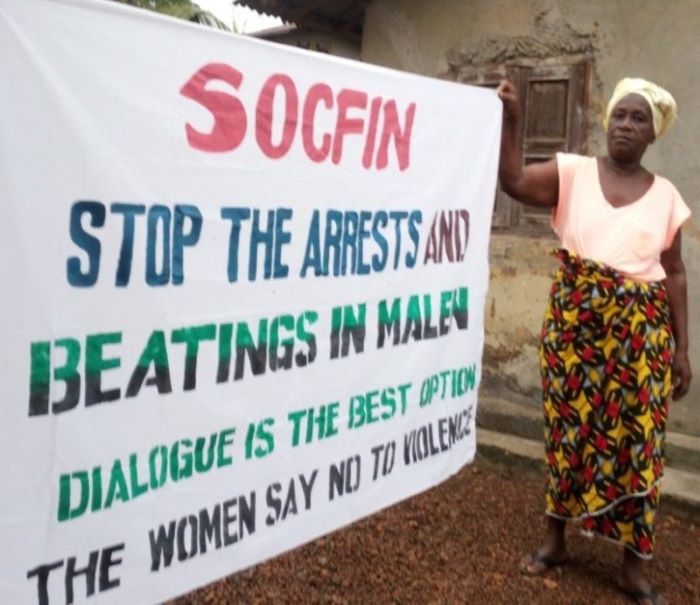
Socfin, which operates large-scale plantations across Africa and Asia, has faced
repeated allegations of sexual harassment and violence against female workers and
local women by supervisors and security guards. The claims, documented by non-profit
organisations and in media reports, have highlighted a grim reality where women are
forced to endure abuse in exchange for work, or fear retribution if they speak out.
In response, the company says it has launched a series of “corrective measures”.
These include strengthening gender committees, establishing anonymous hotlines, and
offering psychological support for victims. Socfin has also pledged to apply “strict
penalties” for proven cases of abuse. This policy shift appears to be a direct
consequence of intense scrutiny from international watchdogs and investors, including a
powerful Norwegian pension fund that threatened to exclude the company from its
portfolio.
The long-lasting implications of this change are complex. On one hand, it represents a
crucial acknowledgement from a powerful multinational that a problem exists. The
establishment of formal mechanisms for reporting and support could, in theory,
empower women who have long suffered in silence. The threat of sanctions from
investors also sends a clear signal to the wider agribusiness sector that human rights
abuses have financial consequences.
However, critics remain skeptical. They point out that the effectiveness of these new
policies hinges entirely on their implementation in countries with weak rule of law and
little oversight. The real power on the ground often rests with local plantation managers
and foremen, the very people accused of perpetrating the abuse. Will a policy drawn up
in a Luxembourg boardroom genuinely change a culture of impunity in a remote African
plantation?
ut writing