








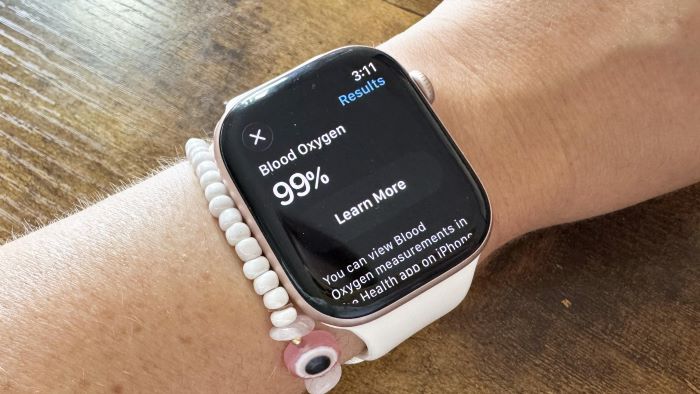
Apple Brings Back Blood Oxygen Tracking – Why it Matters
Apple has reinstated blood oxygen monitoring on its latest smartwatches in the United
States, months after being forced to strip the feature amid a legal battle. The company
was compelled to disable the function in January following a dispute with medical
technology firm Masimo, which accused Apple of infringing its patents on pulse
oximetry, the technology used to measure oxygen levels in the blood. A recent ruling by
US Customs has now allowed Apple to reintroduce the function through a technical
workaround.
Rather than displaying results directly on the Apple Watch, the device now sends raw
data to the paired iPhone, where it is processed and shown in the Health app. Users
must still wear the watch to take measurements but can only view their results on the
phone. The update is available to those running iOS 18.6.1 and watchOS 11.6.1.
Blood oxygen saturation, or SpO₂, measures how much oxygen is carried by red blood
cells, with most healthy people recording between 95% and 100%. For the majority,
tracking these levels is more of a wellness feature than a medical necessity, but the
readings can be valuable for those with chronic lung or heart conditions, sleep apnoea,
or for athletes training at high altitude. Low oxygen levels can also serve as an early
warning sign of conditions such as pneumonia or Covid-19, where patients sometimes
experience dangerously low oxygen without obvious symptoms.
Doctors caution that smartwatch readings should not replace medical devices, but the
convenience of a wrist-based tracker offers an additional layer of monitoring for those at
risk. For Apple, the return of blood oxygen monitoring is a small but significant win,
restoring one of the headline health features of its watches in a market where rivals
continue to lean heavily on wellness credentials.