






The Hidden Cost of Prosperity: Luxembourg’s Struggle with Drunk Driving
Luxembourg, long celebrated for its stability and prosperity, is facing an unlikely public safety crisis – a sharp rise in cases of driving under the influence. Despite some of the toughest drink-driving laws in Europe, police data and road safety reports show a persistent pattern of motorists getting behind the wheel after drinking, pointing to a dangerous cultural blind spot in the Grand Duchy.
Road deaths have been falling steadily over the past decade, but alcohol remains a stubborn factor in accidents and police stops. A 2025 study revealed that while most Luxembourgers claim never to drive after drinking heavily, nearly a third admitted they had done so at least occasionally. Among men, the figure climbs to almost four in ten.
The problem runs deeper than individual lapses in judgement. Luxembourg’s affluence plays a paradoxical role – with one of the highest per capita incomes in the world, alcohol is cheap and readily available, woven into the fabric of social life in bars, restaurants and private gatherings. For some, the ease of access seems to blunt the sense of risk that comes with drinking and driving.
The country’s geography and commuting culture also play a part. With tens of thousands of cross-border workers driving in daily from France, Germany and Belgium, cars remain essential. While Luxembourg boasts free public transport, it is less convenient for late-night or rural travel, especially for those returning across borders. This reliance on private vehicles creates an incentive to drive home after drinking, with many believing rural roads are less heavily policed.
Cultural diversity complicates matters further. Luxembourg’s large expatriate population brings varying attitudes to alcohol and road safety, making it harder to establish a single, consistent message about the dangers of drink-driving.
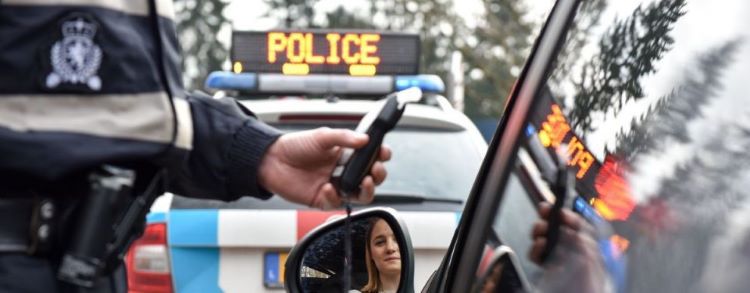
Authorities are not blind to the problem. The country enforces a low blood alcohol limit – 0.5‰ for most drivers and 0.2‰ for novices and professionals – backed by strict penalties ranging from heavy fines to license suspensions and even prison sentences. The National Road Safety Plan 2024-28, built around a “Vision Zero” target for fatalities, aims to change driver behavior through enforcement and education.
Yet campaigners warn that enforcement and punishment alone will not solve what is as much a cultural issue as a legal one. Calls are growing for improved late-night public transport, particularly for commuters, and for awareness campaigns tailored to Luxembourg’s diverse communities.
The persistence of drink-driving in one of Europe’s wealthiest states underscores a broader truth, prosperity cannot buy road safety. Without a shift in social attitudes, Luxembourg’s quiet crisis risks becoming a long-term stain on its record of order and security.
Photo – police.public.lu