




Belgium’s Recognition of Palestine – A Bold Gesture or Another Hollow Promise?
Belgium’s decision to recognize Palestine at the UN carries moral weight and political symbolism, but history suggests it may do little to alter the grim realities of war, occupation and stalled diplomacy.
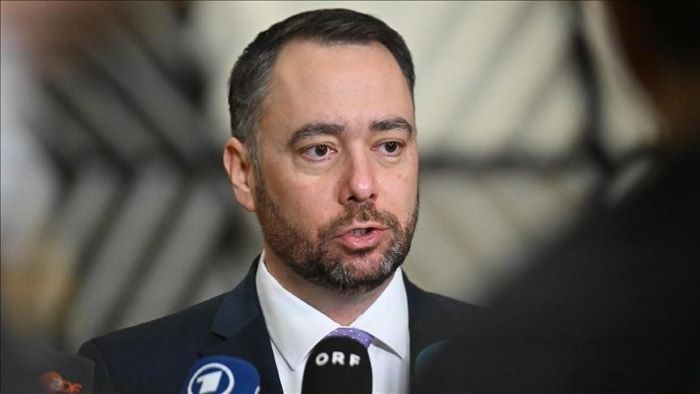
When Belgium’s foreign minister, Maxime Prévot, announced on Tuesday that his country would recognize the State of Palestine during the upcoming United Nations General Assembly meetings, his words rippled far beyond Brussels: “Palestine will be recognized by Belgium at the UN session! And firm sanctions will be imposed against the Israeli government,” he declared on X, casting Belgium into the fraught centre of one of the world’s most enduring conflicts.
The declaration comes amid a global reckoning over Israel’s war in Gaza, the deadliest in the territory’s history, and escalating violence in the West Bank. For Palestinians, Belgium’s stance is a symbolic vindication – recognition at the UN is affirmation that their struggle for statehood has not been erased by the bombs, checkpoints, and settlements. Yet, as history shows, symbolism alone rarely shifts realities on the ground.
Belgium is not the first European country to take the leap. Sweden recognized Palestine in 2014, and earlier this year Ireland, Spain and Norway followed suit. Together they represent a growing fissure in Europe, where recognition has been a contentious issue for decades. Heavyweights like France and Germany remain cautious, preferring to tether recognition to a negotiated settlement, while eastern European countries often align closely with Israel.
More than 140 UN member states now recognize Palestine, a significant majority. But the absence of recognition from key Western powers, notably the United States, Britain, and much of the European Union, has blunted the political impact.
Prévot’s pledge to couple recognition with sanctions against Israel sets Belgium apart. Should Brussels follow through, it would be among the first EU members to move beyond rhetoric, potentially restricting trade with settlements or freezing defense contracts. Yet Belgium’s fractured coalition politics may complicate enforcement.
For Palestinians, international recognition brings psychological relief and diplomatic leverage. It strengthens their case at international bodies such as the International Criminal Court, where Israel faces accusations of war crimes. It also reinforces the two-state solution as a legitimate international objective, despite Israeli leaders’ open rejection of it.
But recognition has limits. Nearly a decade after Sweden’s decision, Palestinians remain stateless and dispossessed. The Oslo accords, once hailed as the blueprint for peace, have all but collapsed. Israel’s settlement expansion in the West Bank and its siege of Gaza continue unchecked. Recognition, without tangible pressure on Israel, risks becoming another line in a long ledger of unfulfilled promises.
Belgium’s announcement carries weight because of its timeliness. The war in Gaza has killed tens of thousands, displaced millions, and created one of the worst humanitarian crises of the century. International patience with Israel’s hard-line government is wearing thin. Within Europe, public opinion has shifted sharply, younger voters in particular see Palestinian recognition not as a diplomatic tool, but as a moral duty.
By siding openly with recognition, Belgium underscores a widening gap between European capitals and Washington. The United States, Israel’s closest ally, continues to shield it from censure at the UN Security Council and resists unilateral recognition of Palestine. Belgium’s stance therefore highlights Europe’s growing divergence from the US on Middle East policy.
The recognition also speaks to the long shadow of history. Since the 1947 UN partition plan, Palestinians have watched their promised state shrink and fragment. Each diplomatic gesture is measured against decades of failed negotiations, broken ceasefires, and the entrenched realities of occupation. For many Palestinians, recognition is welcomed but inevitably tinged with skepticism – will it change anything in Gaza tomorrow, or will it fade into the long list of symbolic acts that left their lives untouched?
If Belgium’s decision encourages more European states to follow, the cumulative diplomatic pressure could reshape the conversation in multilateral forums, lending greater legitimacy to Palestinian claims but without enforcement – whether sanctions, arms embargoes, or conditional trade ties – recognition risks being dismissed by Israel as little more than rhetoric.
For families in Rafah or Hebron, the significance of Belgium’s move will be measured not in UN votes but in the ability to live freely, safely, and with dignity. Recognition may amplify their voice internationally, but it cannot yet silence the drones or dismantle the checkpoints.
In the end, Belgium’s gesture is both bold and limited, a signal of solidarity, a rebuke to Israel, and a crack in Europe’s cautious consensus. It may not alter the battlefield, but it adds to a shifting political climate where, increasingly, the world is asking not whether Palestine should be recognized but why it has taken so long.
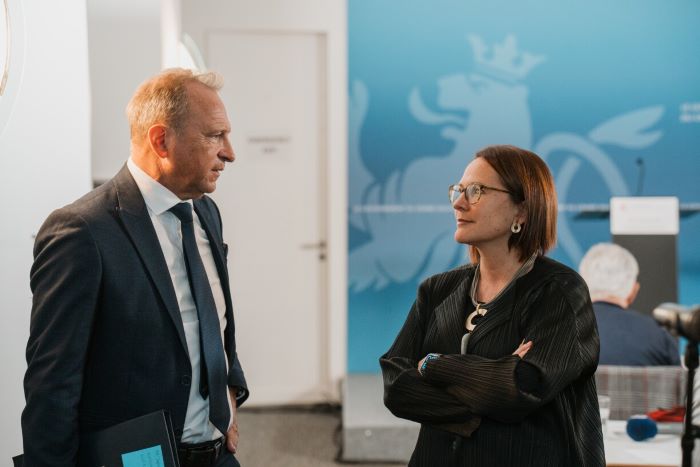
Photo – Belgium’s Foreign Minister Maxime Prevot