




Luxembourg Joins Relief Push as Europe Seeks to Bypass Afghanistan’s Rulers
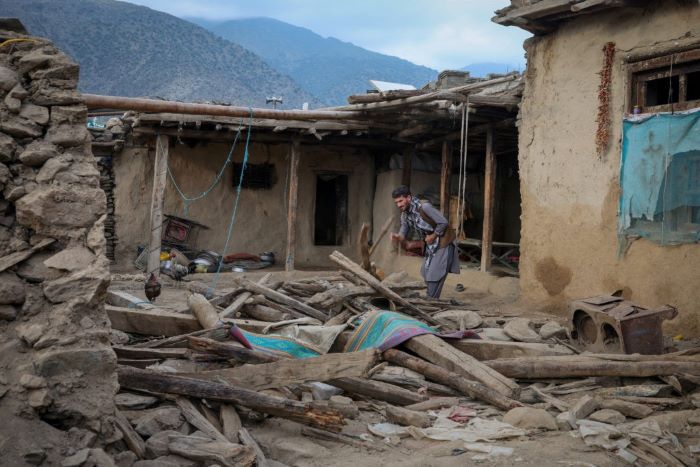
Luxembourg has pledged €250,000 (about £212,000) to help victims of Afghanistan’s recent earthquake, joining a growing but uneven European response to the disaster that has killed more than 1,400 people and left thousands injured.
The funds will be channeled through humanitarian partners such as UN agencies and the Red Cross, a deliberate choice to bypass the Taliban government while delivering urgent supplies, including shelter, medical assistance and clean water. Officials in Luxembourg said the contribution reflected the country’s longstanding practice of supporting targeted relief efforts through trusted international organisations.
The European Union has also unlocked €1 million and arranged the transport of 130 tonnes of aid, ranging from tents and clothing to medical kits and water purification equipment. This forms the backbone of Europe’s collective response, highlighting the fragility of Afghanistan’s public services since foreign funding was sharply reduced following the Taliban’s return to power.
Elsewhere in Europe, the response has varied. Britain announced £1 million in assistance through the UN Population Fund and the International Federation of Red Cross and Red Crescent Societies, directed at emergency healthcare and essential supplies. France and Germany have issued statements of solidarity and signalled their support through existing EU and NGO channels, but have not specified bilateral sums. Switzerland, meanwhile, is preparing aid through its humanitarian office in Kabul.
Some European governments have limited themselves to condolences rather than concrete pledges, reflecting both donor fatigue and the competition for funds as Ukraine, Gaza and Africa’s Sahel region demand growing attention. Since 2022, overall aid to Afghanistan has fallen significantly, leaving dozens of clinics in quake-stricken areas shut down for lack of resources.
The common thread across European responses is caution. No country has been willing to send aid directly through Kabul’s Taliban administration, citing the regime’s restrictions on women and girls and broader human rights concerns. Instead, the emphasis is on ensuring assistance reaches affected communities while avoiding any semblance of legitimatizing the authorities.
Luxembourg’s contribution may be modest compared with larger powers, but observers note that its value lies in speed and flexibility. In a context where funding gaps have immediate consequences for survival, even smaller pledges can play a crucial role in keeping relief operations afloat. The wider European debate continues to centre on how to sustain humanitarian support for Afghans without compromising political principles, a balancing act that is once again being tested in the aftermath of disaster.