








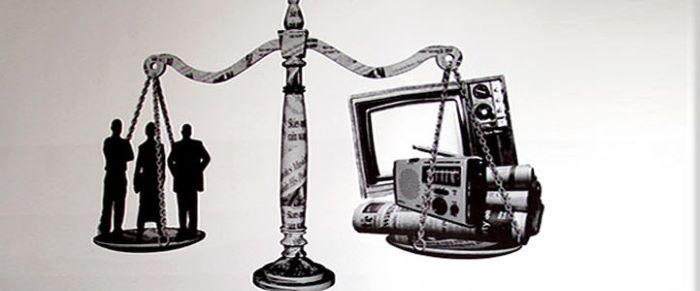
Why Luxembourg Wants to Redefine Existing Media Law
The rise of the internet and social media has upended the traditional media landscape,
forcing governments to rethink how freedom of expression, accountability, and
responsibility coexist in the digital age. In Luxembourg, that reckoning has now come to
a head. The government has launched a sweeping reform of its 1991 media law, a
statute written long before the web, podcasts, and influencers became central to public
discourse.
For the first time, the proposed legislation seeks to extend media regulation beyond
traditional broadcasters to include the written press, podcasters, and online influencers.
The reform aims to close the widening gap between regulated broadcasters and largely
unregulated digital voices who command growing audiences on platforms like YouTube,
Instagram and TikTok.
Officials argue the move is essential to ensure transparency in advertising, protect
audiences from disinformation and bring Luxembourg in line with evolving European
Union standards on media independence and accountability. The European Media
Freedom Act, adopted earlier this year, encourages member states to update national
laws to reflect the realities of online journalism and platform-based communication.
“The media environment has changed dramatically since 1991,” government
representatives said when presenting the draft. “We need a framework that guarantees
both freedom of expression and the responsibilities that come with the power to
influence public opinion.”
The current law, passed more than three decades ago, was designed for radio and
television, regulating licenses, advertising limits, and program standards. It left the
print media largely to self-regulate and had no provision for digital publishing or online
broadcasting. The new proposal would give the media regulator wider powers to
oversee a broader range of content creators, with requirements for transparency in paid
partnerships and sanctions for repeated violations.
Supporters of the overhaul say it will modernise outdated laws and strengthen media
freedom by clarifying rights and responsibilities in an era of blurred boundaries between
journalism, entertainment, and advertising. They believe clearer definitions and oversight
could help rebuild public trust and combat misinformation without limiting legitimate
expression.
But press groups and digital rights advocates are cautious. They warn that extending
regulation to online creators and independent journalists could have unintended consequences, including administrative burdens for small outlets and potential threats
to editorial independence. They argue that any new oversight must include strong
safeguards against political interference and avoid treating all forms of content creation
as equivalent to broadcasting.
The government insists that freedom of expression, guaranteed under Luxembourg’s
constitution, will remain protected. Consultations with journalists’ associations, media
owners and civil society are underway to refine the proposal before it goes to
parliament.
As the lines between traditional media and digital platforms continue to blur,
Luxembourg’s reform is being closely watched across Europe. Whether it becomes a
model for balancing freedom and accountability in the digital era or a warning about
regulatory overreach will depend on how the final law defines who counts as “media”,
and how far the state’s hand can reach into the ever-expanding online space.