








Luxembourg’s €521m Deficit: A Sign of Strength, not Weakness
Luxembourg has recorded a €521 million deficit for the first nine months of 2025, a
figure Finance Minister Gilles Roth has described as “generally good,” despite signalling
a rare dip in the country’s fiscal balance. The shortfall, according to Roth, reflects
deliberate choices to boost public investment in infrastructure and green transition
projects rather than evidence of economic weakness.
The deficit marks a shift from Luxembourg’s traditionally cautious fiscal management,
but Roth argued that the red ink should be seen in context. “We are investing heavily in
the future, in housing, energy, mobility and education. This is a temporary imbalance
that supports long-term growth,” he told reporters in Luxembourg City on Monday.
Government spending has surged in recent months, driven by record allocations to
public transport, digital infrastructure, and affordable housing. The coalition has also
poured funds into a climate transition program aimed at reducing carbon emissions and improving energy efficiency. While expenditure climbed sharply, revenue growth
slowed due to weaker corporate tax inflows and a cooling property market.
Economists say the government’s stance reflects confidence in the resilience of
Luxembourg’s economy, one of the eurozone’s strongest per capita. “A moderate deficit
in an economy with solid fundamentals and low public debt is not alarming,” said Jean-
François Muller, an economist at the University of Luxembourg. “It suggests the
government is using fiscal policy as a tool for stability and investment, rather than
retrenchment.”
Luxembourg’s public debt remains among the lowest in Europe, hovering around 25%
of GDP, well below the EU’s 60% threshold. This gives the government room to spend
without threatening fiscal sustainability, a key factor behind Roth’s optimism.
Still, some analysts caution that continued deficits could test the limits of that flexibility if
growth slows or interest rates remain high. The International Monetary Fund recently
warned small, open economies like Luxembourg’s to maintain “buffers” amid global
uncertainty and weakening demand in the euro area.
For now, however, Luxembourg appears confident in its trajectory. Roth insists that
investment-led spending will strengthen the country’s competitiveness and social
cohesion in the long term. “A deficit can be healthy when it finances progress,” he said.
“We are building the foundations for the next generation’s prosperity.”
With sustained public investment and stable fundamentals, Luxembourg’s short-term
fiscal dip may well be the price of long-term resilience.
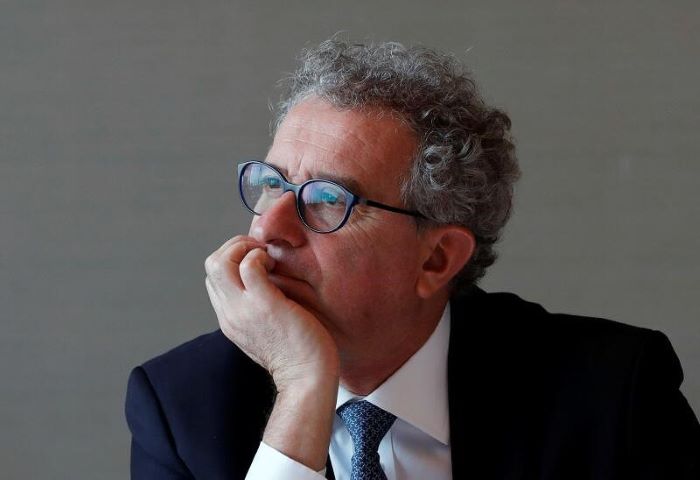
Photo – Finance minister Pierre Gramegna