







Luxembourg Quietly Leads the Way as First Eurozone Nation to Invest in Bitcoin
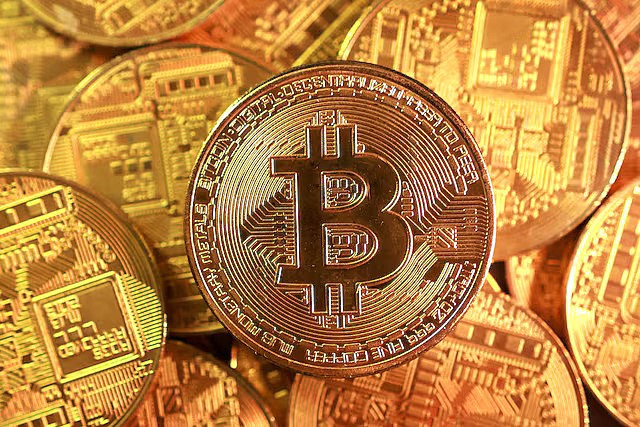
Luxembourg has become the first country in the Eurozone to invest part of its national
wealth in Bitcoin, in a move that marks a cautious but significant shift in Europe’s official
stance towards digital assets.
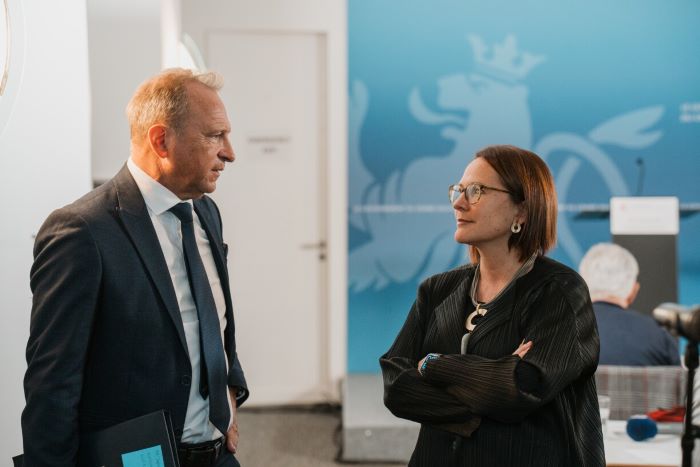
The announcement came as Finance Minister Gilles Roth presented the 2026 national
budget, confirming that the Fonds Souverain Intergénérationnel du Luxembourg (FSIL) –
the Grand Duchy’s sovereign wealth fund, had allocated a portion of its portfolio to
Bitcoin through regulated exchange-traded funds (ETFs).
Although the investment is small, reportedly around one per cent of the fund’s total
assets, estimated at between €7m and €9m, the move is seen as a landmark decision
that could influence other European financial institutions.
Officials said the fund opted for ETFs instead of direct Bitcoin purchases to ensure
transparency and compliance with European regulatory standards. The structure also
allows Luxembourg to gain exposure to the digital asset without assuming the
operational and custodial risks associated with holding cryptocurrencies directly.
The Finance Ministry described the investment as part of a broader strategy to diversify
national holdings and explore emerging asset classes. “This is a calculated and
forward-looking step,” a government spokesperson said, emphasising that Luxembourg
remains committed to prudent financial management.
The country’s decision follows a global trend of institutional investors gradually
integrating Bitcoin into traditional portfolios, as the cryptocurrency gains recognition as a
potential hedge against inflation and market volatility. The launch of regulated Bitcoin
ETFs in the United States and parts of Europe has further legitimised digital assets
among mainstream financial managers.
Analysts say Luxembourg’s move is consistent with its long-standing reputation as a
hub for financial innovation and fund management in Europe. The country hosts more
than 4,500 investment funds and is often among the first EU members to embrace
emerging financial technologies.
However, some European Central Bank officials have repeatedly warned against public
institutions adopting cryptocurrencies, citing volatility, speculative risks and
environmental concerns. Luxembourg’s modest entry into the Bitcoin market is therefore
being viewed as an experiment rather than a policy shift.
For investors, the development signals growing institutional confidence in the regulated
crypto space. But for Luxembourg, it also underscores a broader ambition to maintain
its status as a forward-looking financial centre capable of adapting to global investment
trends without compromising fiscal discipline.
While the scale of the investment is unlikely to move markets, its symbolism may prove
more influential. The Grand Duchy has now set a precedent within the Eurozone,
showing that even the most conservative financial systems are beginning to treat digital
assets as a legitimate, albeit risky, part of modern portfolio management.