








Battle with the Narco Shadow: How Belgium Became Europe’s Cocaine Crossroads
Belgium is confronting a menace that no longer hides in the shadows. Judges, investigators and frightened residents now utter what was once unthinkable, that the country is slipping towards the makings of a narco-state.
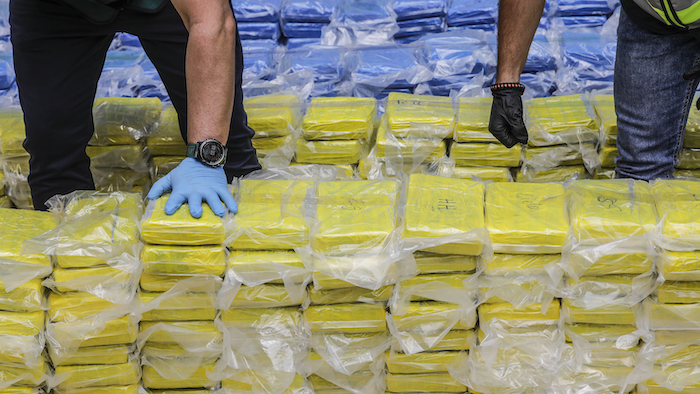
At the centre of the alarm lies Antwerp, Europe’s second-largest port and now the continent’s cocaine gateway. What began as a trickle has become a flood. In 2023 alone, Belgian customs seized a record 116 tonnes of cocaine – a staggering haul that, by officials’ own admission, may represent only a fraction of what gets through. The city’s docks, once symbols of commerce and prosperity, have turned into battlegrounds in a silent war of corruption, intimidation and unprecedented profit.
The logic behind the crisis is brutally simple. Cocaine leaves Latin America by the container-load, hidden among bananas, coffee or timber. Europe’s demand is steady, its ports vast, and its controls, however sophisticated, easily overwhelmed. Antwerp, with its intricate logistics network and access to the heart of the EU market, has become the smugglers’ dream. Every seizure is both a success and a reminder that the trade is many steps ahead.
But it is not just the drugs. The cartels’ influence has seeped into Belgian institutions, exploiting every bureaucratic weakness. Investigators speak of attempted bribes, corrupt dockworkers, and encrypted phones that connect local gangs to global masterminds. When police cracked the Sky ECC network, an encrypted messaging service used by criminals, they uncovered thousands of plots – assassinations, kidnappings, and port infiltrations, planned as casually as logistics spreadsheets.
For ordinary Belgians, the evidence of this hidden war sometimes breaks into public view, explosions outside homes in Antwerp, gunfire in quiet neighbourhoods, police raids in the early hours. Parents in the city’s northern districts speak of a creeping fear, that the violence once confined to rival gangs could one day reach their children. “You don’t feel unsafe all the time,” one mother told local reporters, “but you never really relax either.”
The government, meanwhile, looks paralysed. Belgium’s complex federal system divides authority between local and national police, regional governments and federal ministries, a tangle that slows decisions and blurs responsibility. Police unions complain of understaffing, customs officers of underfunding, and prosecutors of overflowing caseloads. Everyone agrees the threat is grave; few agree on who should fix it.
Prime Minister Alexander De Croo has promised tougher measures, including more scanners at the port and cooperation with Latin American states to disrupt the supply chain. Yet critics say these are piecemeal steps against a system too vast and profitable to be dented by small reforms. “You can’t police your way out of this,” said one Antwerp criminologist. “You need to cut the financial oxygen – the laundering, the logistics, the demand. Otherwise, the cocaine just keeps coming.”
Safety, for now, depends on geography and luck. Most Belgian towns remain peaceful, daily life largely untouched. But the violence is creeping outward, first Antwerp, then small Flemish suburbs, now even Brussels. A generation of children is growing up with headlines of raids, shootings, and spectacular drug busts, a slow erosion of the country’s sense of order.
The fight ahead is not only about seizing drugs or jailing dealers. It is about defending the integrity of a state that prides itself on bureaucracy and compromise, now facing an enemy that thrives on chaos and cash. Belgium, once seen as Europe’s administrative heart, risks becoming its criminal hub if the balance tips further.
For now, the country’s institutions hold. But the question that haunts judges and citizens alike is no longer whether Belgium can win the war against cocaine, it’s whether it has already lost too much of itself in the fight.
By Moji Danisa