








Turning Ideas into Growth: How Startups Can Access Funding in Luxembourg
A new survey has revealed that one in four Luxembourg residents is willing to start a business, a figure that speaks volumes about the country’s evolving economic identity. Long renowned as a bastion of finance and corporate stability, Luxembourg is gradually nurturing a new class of entrepreneurs eager to diversify the nation’s economic base beyond banks and investment funds. For a country often associated with wealth management and European institutions, the finding is striking. It suggests a growing appetite for innovation and self-employment in a society traditionally anchored in stable, high-paying jobs. Economists see this shift not as a departure from Luxembourg’s financial strength, but as a necessary complement to it.
Luxembourg’s economy, one of the world’s most prosperous per capita, has long depended on its powerful financial sector, which contributes nearly a quarter of national GDP. Yet the government has in recent years pushed to diversify through technology, green energy, and digital industries. According to Dr. Anne Muller, an economist at the University of Luxembourg, the willingness of citizens to create businesses shows that Luxembourg is entering a new phase of maturity. A robust financial system gives people confidence, she says, but a strong entrepreneurial culture ensures resilience and innovation.
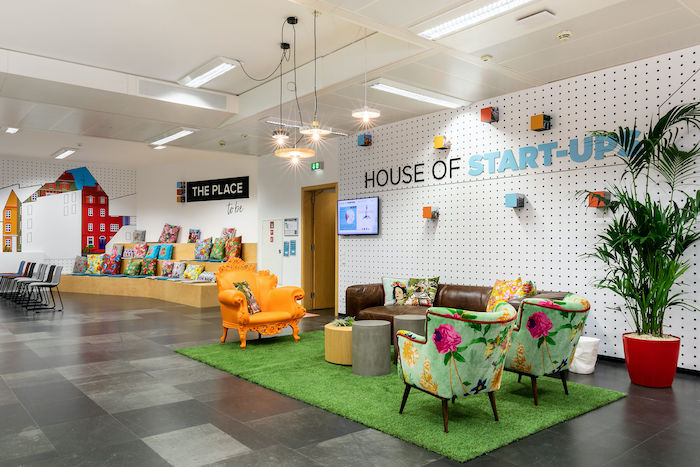
Initiatives such as Luxinnovation, the House of Startups, and the Digital Tech Fund have helped position the Grand Duchy as a regional hub for fintech, logistics, and clean technology enterprises. These programmes not only provide mentoring and networking but also bridge the gap between new ideas and investors. Fintech remains a natural growth area, with start-ups developing payment solutions, blockchain services, and regulatory technology to support Luxembourg’s established financial players. Beyond finance, information and communications technology, sustainable energy projects, and healthtech ventures are emerging as high-potential sectors. The government’s emphasis on green transition goals has also boosted interest in businesses tied to electric mobility, recycling, and circular economy models.
In parallel, hospitality, e-commerce, and wellness industries are gaining traction as residents and the country’s diverse expatriate population, seek quality-of-life improvements that small businesses can readily provide. A thriving business environment drives job creation, fosters innovation, and expands the tax base. For Luxembourg, encouraging more small and medium enterprises could balance the economy’s dependence on large multinational firms. New businesses often create fresh solutions to local needs, increasing competition, reducing consumer prices, and inspiring the next generation to think creatively rather than traditionally. With nearly half of its population made up of foreign residents, Luxembourg also stands to gain from cross-border ideas and skills, as entrepreneurship bridges cultural and professional divides.
For those ready to make the leap, Luxembourg offers a well-organised network of funding opportunities. Entrepreneurs can seek support from the Société Nationale de Crédit et d’Investissement (SNCI), which provides long-term loans and capital participation, as well as from Luxinnovation, which offers grants and guidance for innovative projects. The House of Entrepreneurship assists with business planning, licensing, and funding advice, while EU-level programmes such as Horizon Europe and InvestEU are accessible to Luxembourg-based founders. Private venture capital firms and angel investors are also increasingly active, particularly in the tech and green sectors.
That one in four Luxembourgers is ready to start a business signals a quiet but significant cultural transformation. The country’s wealth may have been built in banks, but its future growth could come from garages, shared workspaces, and digital platforms run by residents turning bold ideas into reality. As the balance shifts, Luxembourg’s economic story may soon read less like a tale of bankers and more like one of builders, shaping a dynamic, creative, and inclusive future.