





Luxembourg’s Nano Future-How World’s Largest Nanotube Plant Could Reshape the Economy
When Luxembourg’s government signed off on a $300 million investment deal to build the world’s largest graphene nanotube production centre in Differdange, it wasn’t just another win for science, it was a strategic bet on the future. Behind the steel town’s industrial skyline, a new kind of factory is about to rise, one that could redefine the materials used in everything from electric cars to smartphones, and in doing so, transform how ordinary Luxembourgers live and work.
Graphene nanotubes microscopic carbon structures 100,000 times thinner than a human hair, are being called the “steel of the future.” They make materials stronger, lighter, and smarter. For a nation that has spent decades diversifying beyond finance and steel, this project signals Luxembourg’s evolution into a global nanotechnology hub: “It’s about long-term sovereignty in innovation,” said an industry official involved in the deal. We’re not just producing a material, we’re building a new pillar of the economy.”
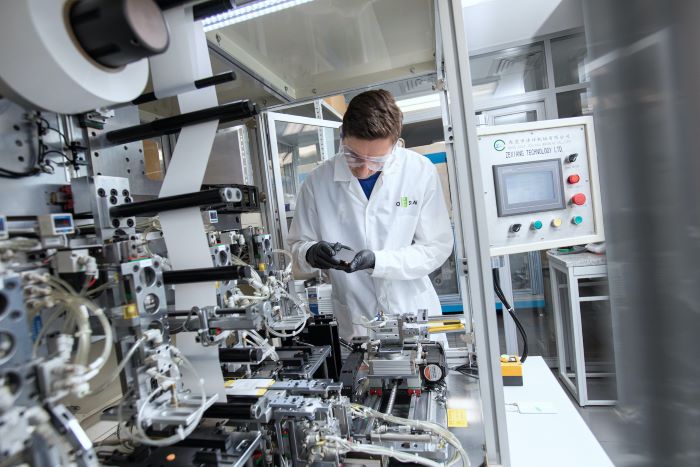
OCSiAl, the Luxembourg-headquartered nanotech giant behind the project, already leads the global market for graphene nanotubes. Its decision to build in Differdange is deeply symbolic – once the beating heart of Luxembourg’s steel industry, the city will now host a frontier technology that may power the next industrial revolution. The new facility will not only employ hundreds directly but also generate high-tech supply chains, research partnerships, and a wave of startup innovation around advanced materials and sustainable manufacturing.
For citizens, the benefits are tangible. Nanotube-enhanced batteries could extend the lifespan of electric vehicles, reduce charging times, and lower energy consumption, helping meet the EU’s ambitious climate goals. The technology also strengthens infrastructure materials, making buildings and transport systems more durable and energy-efficient. For a country championing the green transition, it’s a powerful alignment of technology and environmental policy.
Economically, analysts estimate Luxembourg could see returns far beyond the $300 million capital injection. Over the next decade, the Differdange plant could generate billions in exports, expand the nation’s GDP share from advanced materials, and position Luxembourg as Europe’s nerve centre for industrial nanotech.
Still, the project’s promise comes with challenges – maintaining energy efficiency in large-scale nanotube production, ensuring safe material handling, and training a new generation of engineers capable of working at the atomic scale. But Luxembourg’s leadership sees these as the growing pains of progress.
In a country better known for its banks and bureaucracy, the hum of a graphene nanotube factory could soon become the sound of reinvention, a signal that even the smallest things, when built right, can shape a very big future.