






Millicom Bribery Scandal: A Reputational Dilemma for Luxembourg’s Corporate Business Image
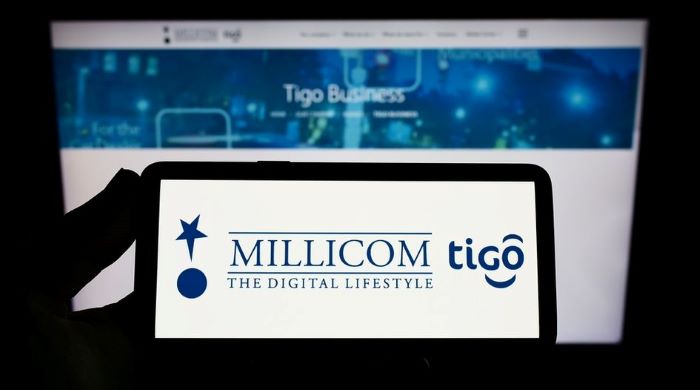
Millicom International Cellular, the Luxembourg-headquartered telecoms group, has become embroiled in a transcontinental bribery scandal that is casting an uncomfortable spotlight on corporate oversight in one of Europe’s most reputable financial centres.
The company’s Guatemalan subsidiary, Comunicaciones Celulares S.A. (Comcel), has agreed to pay nearly $118 million to settle a U.S. Department of Justice investigation into historical “improper payments” made to government officials. The misconduct, which dates back several years, was uncovered after Millicom gained full ownership of the subsidiary and greater visibility into its operations. The settlement, structured as a two-year deferred-prosecution agreement, spares the company the imposition of an external monitor – a sign of the authorities’ confidence in Millicom’s cooperation and remedial efforts.
The roots of the scandal stretch back to 2015, when Millicom first reported suspected bribes being paid in Guatemala while Comcel operated as a joint venture. With limited operational control at the time, the parent company lacked insight into on-the-ground dealings. It was only after acquiring the remaining interest in 2021 that Millicom moved to overhaul its compliance structures, dismiss senior personnel involved, and re-examine historic transactions in Guatemala.
The nature of the payments – which prosecutors described as buying political influence in regulatory and legislative matters – exposes the vulnerabilities that multinational companies face when operating in high-risk environments. The case also highlights a persistent difficulty – complex corporate structures can sometimes shield misconduct occurring far from a company’s registered headquarters.
For Luxembourg, which has built its global standing on a reputation for stability, transparency, and sound financial governance, the scandal poses a reputational dilemma. Though the wrongdoing took place in Central America, and though Millicom had voluntarily self-reported the issue years ago, the association between a Luxembourg-based company and bribery abroad risks fueling criticism that the country serves as a comfortable home for firms whose operations are less rigorously monitored overseas.
The government and regulatory bodies may now face pressure to tighten oversight of multinational groups domiciled in the Grand Duchy. This could include more stringent requirements on foreign subsidiary reporting, closer scrutiny of joint-venture governance, and clearer expectations for board-level accountability across global operations.
Millicom, for its part, insists it has strengthened its compliance framework and is committed to maintaining high ethical standards. How transparently it implements its promised internal reforms and how aggressively Luxembourg moves to reinforce its own corporate governance environment – will determine the lasting impact of the scandal.
If tackled head-on, the affair could become a catalyst for more robust oversight and clearer corporate expectations in Luxembourg. If not, it risks becoming a slow-burning stain on a country that prizes its image as one of Europe’s most reliable and well-regulated business hubs.