






Post Covid Distrust Stopping Luxembourg’s Seniors From Flu Vaccine
As flu season settles over Luxembourg once again, public-health officials are sounding a familiar alarm – despite being among the most vulnerable to severe influenza, a significant share of the country’s seniors continue to forgo the annual vaccine. It’s a pattern that has puzzled health professionals for years, but in the post-Covid landscape, the reasons have grown more tangled and more urgent.
Doctors say the reluctance stems from a cocktail of complacency, mistrust, and pandemic-era fatigue. Many older residents who lived through decades of seasonal flu without major complications now underestimate the virus’s threat, assuming it is simply an inconvenience rather than a potentially life-threatening illness. Others still carry lingering doubts about vaccines in general, a sentiment that health experts trace partly to the heightened visibility and aggressiveness of anti-vaccine activism during and after Covid-19.
While Luxembourg was not a hotbed of the extreme misinformation seen elsewhere in Europe, the country did experience a rise in online communities casting doubt on vaccines, public institutions, and science more broadly. For some seniors, those messages – arriving through Facebook groups, forwarded WhatsApp messages, or YouTube channels – created enough uncertainty to skip the flu jab, even if they accepted Covid vaccinations during the height of the pandemic. Health workers report encounters with older patients who now question whether “too many vaccines” can weaken the immune system, or who worry about side effects despite decades of safe seasonal flu vaccines.
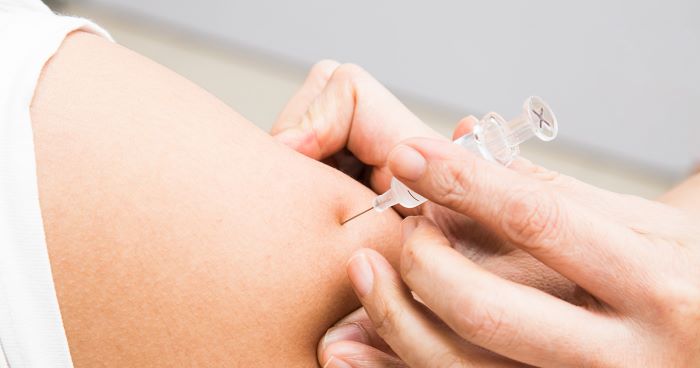
Public-health officials emphasise that the consequences of this hesitancy are anything but abstract. Influenza remains particularly dangerous for older adults, especially those with chronic conditions such as heart disease, diabetes, respiratory illnesses, or weakened immune systems. Complications can escalate quickly – from pneumonia and hospitalisations to long-term functional decline. In an ageing country like Luxembourg, where life expectancy is high and the proportion of seniors continues to grow, vaccination is one of the simplest and most effective defences available.
Yet convincing more seniors to take that step will require more than standard reminders. Health advocates say the government’s communications need a reset, one that acknowledges the post-Covid distrust, avoids technical jargon, and leans into familiar, trusted voices. General practitioners remain the most influential messengers for older patients, but many report that they lack the time or tools to counter the misinformation seniors now encounter daily. Targeted outreach through pharmacies, retirement homes, and local communes could help, especially if it includes face-to-face conversations rather than impersonal leaflets.
There is also an argument that the government’s messaging needs to be less clinical and more human. Seniors respond not only to data but to lived experience, stories from peers who have been hospitalised with severe flu, or carers who have witnessed the virus’s impact first-hand. Community-based campaigns, including collaborations with senior citizens’ associations and cultural groups, could rebuild the sense of collective responsibility that weakened during the pandemic’s polarising debates.
Ultimately, what Luxembourg’s health services must overcome is not just misinformation, but exhaustion. Many seniors feel overwhelmed by years of health warnings, rule changes, and conflicting messages. The task now is to restore clarity and trust – to explain that the flu vaccine is neither novel nor experimental, that it carries a long, proven track record, and that for older adults its benefits far outweigh any discomfort or inconvenience.
The flu remains a quiet but persistent threat. For seniors, it can mean the difference between a manageable winter and a dangerous downturn in health. As the season unfolds, the question is whether the country can cut through the noise of the post-pandemic era and convince its most vulnerable citizens to take a simple, protective step that could save lives.