






Belgium’s Three-Day Strike Leaves a Mixed Ledger of Gains and Losses
The nationwide strike that dragged Belgium into an uneasy standstill for three days ended on Tuesday, leaving behind a country split between relief, frustration and a reckoning over what social pressure can still achieve in a strained European economy.
The action, organised by major trade unions but fuelled by broader discontent over wages, living costs and public-sector pressure, brought large parts of the country to a halt. Transport hubs fell silent, with grounded flights at and reduced services on rail lines, while buses and trams in several regions struggled to operate. Schools, government offices and factories saw widespread absences, and major cities reported thinned-out streets usually thick with commuters.
For unions, the stoppage was a way to force open a debate they believe Belgium has delayed for too long. Inflation has slowed but household costs remain high, public services are stretched, and workers say the wage-setting framework leaves them unable to negotiate raises that reflect real-world pressures. By choking the country’s daily rhythm, unions succeeded in pushing their demands onto the national agenda. Officials were compelled to meet, employers’ groups softened their tone, and policymakers acknowledged – publicly and repeatedly – that the system may need recalibration.
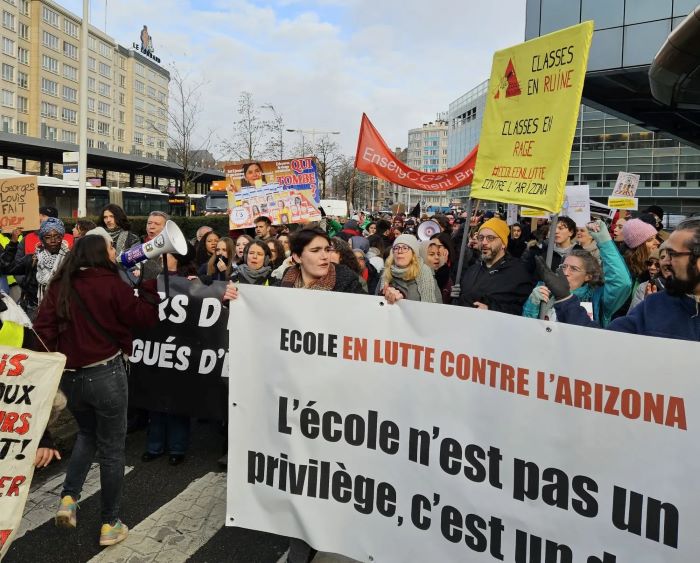
Striking workers also secured public visibility at a level rarely achieved outside election cycles. For three days, televised images of picket lines and stalled transit eclipsed political messaging, turning the spotlight on pay stagnation and the rising cost of living. In several sectors, especially social care and transport, the strike strengthened calls for long-term staffing reforms and investment commitments.
But the losses were just as tangible. Businesses counted the cost of ruined schedules, paralysed logistics and disrupted supply chains. Retailers reported sharp drops in footfall; hospitality venues lost weekend-closeout earnings and manufacturing plants delayed production or shut down entirely. Aviation authorities at estimated significant financial setbacks from cancelled flights and compensation payouts. For a country whose economy leans heavily on cross-border commuters and rapid transport links, even a short disruption translates into millions lost.
The wider social frustration may take longer to repair. Travellers stranded between cities blamed both government and unions for the ordeal. Parents scrambling for childcare voiced exasperation, and small-business owners complained of bearing the heaviest burden in disputes that rarely spare them but seldom benefit them. Political leaders criticised the timing, warning that Belgium cannot afford recurring paralysis at a moment of slow growth and tight public finances.
As the final picket signs came down on Tuesday evening, what remains is a political landscape pushed into motion. The strike did not deliver immediate concessions, but it sharpened the national conversation around wages, living costs and the future of public-sector work. The coming weeks will show whether the disruption becomes a catalyst for reform or merely another episode in Belgium’s long tradition of industrial unrest.
For now, the country resumes its rhythm – slower than before, and with a lingering question over what the next round of negotiations will bring.
Photo – Facebook/ FGTB