








Luxembourg Braces for Surge in Asian Hornets as Warmer Winters Shift Europe’s Ecological Balance
Luxembourg is preparing for an unusually high influx of Asian hornets, a fast-spreading invasive species whose advance across Europe has accelerated in recent years. The anticipated surge, described by environmental officials as “concerning but not unprecedented”, reflects a wider pattern of climate-driven changes to the region’s biodiversity.
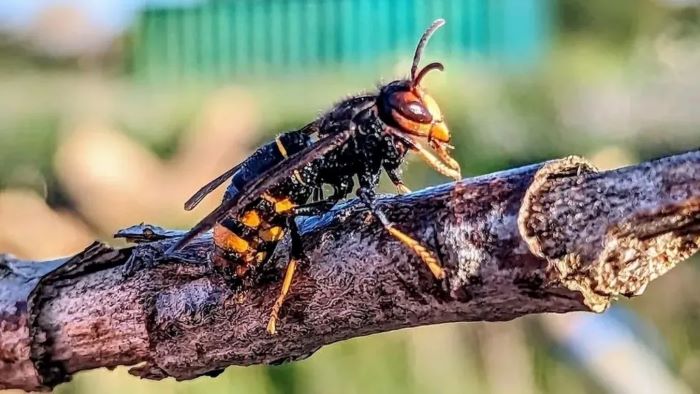
The Asian hornet, Vespa velutina, is native to Southeast Asia but has established a strong foothold in Europe since it was first recorded in France in 2004. Smaller than the more familiar European hornet and marked by its dark abdomen and distinctive yellow-orange bands, it is highly adaptable and thrives in milder climates. Experts say that consecutive warm winters, combined with abundant food sources, have enabled the species to expand northwards with remarkable speed.
Luxembourg has seen sporadic sightings in the past decade, but forestry officials warn that this year’s expected influx is larger and more sustained. The country sits at the crossroads of established hornet populations in France and Germany, making it especially vulnerable to migration patterns that follow temperature rises and seasonal shifts. Late-summer heatwaves have also allowed surviving colonies to multiply at faster rates.
For humans, the threat is moderate but real. The hornet’s sting is painful and potentially dangerous for those with allergies, though experts emphasise that the species is no more aggressive toward people than European hornets unless their nest is disturbed. The greater concern lies with agriculture and biodiversity. Asian hornets are prolific predators of honeybees, targeting hives to feed their larvae. Beekeepers across the region have already reported increasing pressure on colonies, with some hives collapsing after repeated attacks. A decline in bees – critical pollinators for crops, orchards and wild flora – could disrupt food production and local ecosystems if hornet numbers rise unchecked.
Authorities stress that this is not a one-off incident but part of a now-familiar cycle. Luxembourg, like much of Western Europe, has adapted to annual monitoring of the invasive species, supported by trained volunteers and rapid-response teams tasked with locating and destroying nests before they mature. Yet officials caution that early destruction is harder when nests are hidden high in trees or built later in the season.
Residents are being urged to stay alert, report suspected nests and avoid taking risks. Farmers and gardeners may see more hornet activity around orchards, vineyards and areas where insects are plentiful. Beekeepers face the toughest months ahead, relying on protective screens, traps and frequent monitoring to defend their colonies.
While the expected influx is manageable, the situation underscores a broader environmental shift. Luxembourg’s climate is warming, bringing with it species that once struggled to survive northern winters. Ecologists warn that unless temperatures stabilise or coordinated European measures intensify, Asian hornets may become a permanent fixture of the country’s landscape.
For now, officials say the public should expect a noticeable increase in sightings through late summer and early autumn, along with intensified removal efforts. The hornets’ arrival may not be new, but their growing numbers reflect a changing Europe – one where resilience will depend as much on environmental strategy as on public vigilance.
Photo – Simon Spratley