







Combatting the Steady Rise of Petty Crime in Luxembourg City
Luxembourg City, long regarded as one of Europe’s safest capitals, is facing a subtle but persistent challenge as 2025 draws to a close. Reports of burglaries, shoplifting, street muggings and pickpocketing continue to surface almost daily, unsettling residents and raising questions about whether the Grand Duchy’s famed sense of security is beginning to fray.
The government insists the country remains secure, yet police data and day-to-day accounts from traders and commuters tell a more complex story. Petty crime has not exploded, but it is rising steadily enough to create anxiety in neighbourhoods that once saw months pass without a single reported theft. Retailers in the city centre speak of constant vigilance – some now share alerts through informal messaging groups, warning one another of familiar faces and recurring tactics.
Officials and analysts point to a confluence of pressures behind the uptick. One is the growing influence of organised and drug-linked networks that have expanded across the region, using Luxembourg’s wealth and easy cross-border access to finance and move illicit goods. These networks often rely on low-level theft and burglary as part of their wider operations, creating a steady flow of opportunistic offenders moving through the capital.
Another factor lies closer to home. Despite Luxembourg’s economic strength, housing shortages, rising rents and widening disparities in income have shifted the city’s social landscape. Social workers report increasing precarity among low-paid workers and new arrivals struggling to secure stable accommodation. Such vulnerabilities, they say, heighten the risk of involvement in small-scale offences, whether driven by necessity or by recruitment into criminal activity.
Geography plays its part too. With its dense retail areas, busy tram stops and congested tourist routes, the capital offers ideal conditions for quick thefts. Pickpockets blend into crowds around the station district, while burglars target quieter residential streets where ground-floor apartments and delivery vans provide easy access. The city’s open borders, a pillar of its prosperity, also allow small criminal groups to slip in and out with ease.
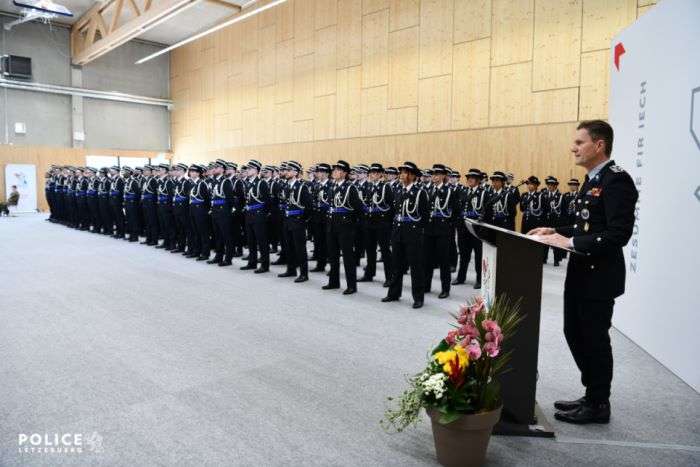
Police have responded with more patrols and targeted arrests, but officers acknowledge the limits of visible enforcement. Petty crime often involves mobile offenders, low-value goods and fleeting opportunities, making prevention harder than prosecution. Senior officers argue that long-term solutions must balance street presence with intelligence-led operations that track the networks behind the offences.
Experts say improving safety will require a broader effort. Stronger cooperation with Belgian and French police, better monitoring of second-hand markets where stolen goods are resold, and investment in environmental design – from lighting to secure delivery points – could reduce opportunities for theft. Technology, including expanded CCTV coverage, is also being considered, though campaigners warn that any surveillance push must be accompanied by strict oversight.
Underlying social pressures will also have to be addressed. Advocates for vulnerable groups have urged the government to expand addiction treatment, support low-income families and accelerate plans for affordable housing, arguing that the roots of petty crime are increasingly tied to hardship rather than malice. Community policing, they add, can rebuild trust and encourage residents to report offences early, giving investigators a clearer picture of emerging patterns.
For now, the rise in petty crime remains manageable but symbolically significant. In a country where order is prized and stability is part of the national identity, even small disturbances resonate loudly. The question facing policymakers is not whether Luxembourg City is becoming unsafe, but how quickly they can act to maintain the quiet confidence that has long defined life in the capital.