






Born Equal? Luxembourg’s Hospital Ward Where all is Near Perfect but Not Quite So!
Luxembourg’s reputation for world-class healthcare extends firmly into the maternity ward. With some of the lowest neonatal mortality rates in Europe and high public spending per resident, the country presents an image of a system where safe births are the rule, not the exception. But behind the smooth statistics and modern hospital wings lies a more complicated reality – one in which immigrant families, low-income households and newly arrived residents often experience a very different journey through pregnancy and newborn care.
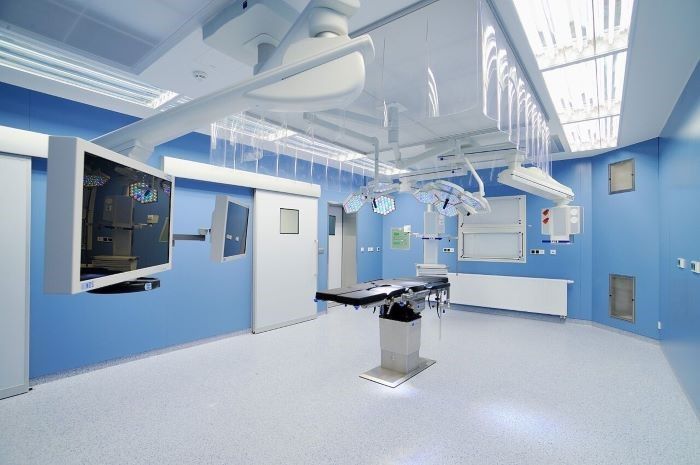
Neonatal outcomes in the Grand Duchy generally mirror those of its wealthy neighbours. Well-equipped maternity units, accessible emergency services and a strong culture of hospital-based deliveries have helped push early-life mortality down to enviable levels. Specialist neonatal units, particularly in the capital, provide intensive care that many larger countries would envy.
Yet, for all the confidence the country places in its system, Luxembourg gathers little publicly available, disaggregated data on how different communities fare. What exists suggests that the experience of neonatal care is not uniform. Medical researchers working across Europe have repeatedly found that outcomes for immigrant mothers – especially recent arrivals and those with precarious legal status – tend to be poorer than for citizens, driven by delayed antenatal visits, language barriers, financial worries and unfamiliarity with entitlements. Luxembourg’s diverse population makes these risks more than theoretical.
Accounts from women’s groups and cross-border studies point to gaps in communication and continuity of care, often small but consequential in the high-stakes weeks before and after birth. Midwives report that language difficulties can lead to reduced understanding of warning signs in pregnancy. Advocates for asylum seekers say that inconsistent access to interpreters leaves some mothers confused about treatment plans or their rights to follow-up appointments. Health workers add that unfamiliarity with local procedures can result in later-than-ideal presentations for prenatal screening.
The structural limitations of a small health system also play a role. Neonatal services are modern but concentrated, relying in part on cross-border cooperation with hospitals in neighbouring countries when highly specialised care is needed. Staffing pressures, particularly in midwifery and neonatal nursing, occasionally stretch continuity of care. None of these issues undermine the country’s overall performance, but they expose vulnerabilities that fall hardest on those without social or linguistic safety nets.
Policymakers acknowledge privately that the absence of detailed, routine neonatal data obscures inequalities. Without regular breakdowns by migration background, nationality or residency status, disparities remain difficult to measure and easier to overlook. Advocates argue that this is where Luxembourg’s next gains will come from – not necessarily in high-tech expansion but in better monitoring, culturally responsive care and clearer access for vulnerable groups.
There is no crisis in Luxembourg’s neonatal wards, but neither is there full equality in experience or outcome. The country’s healthcare system performs well by any international measure, yet its successes are not evenly felt. In a nation where nearly half the population was born abroad, closing the remaining gaps may depend less on resources than on recognition and the willingness to ensure that every child, regardless of origin, enters life on the same footing.