





A Century of Injustice and a Belgian Hand in Fight Push to End It
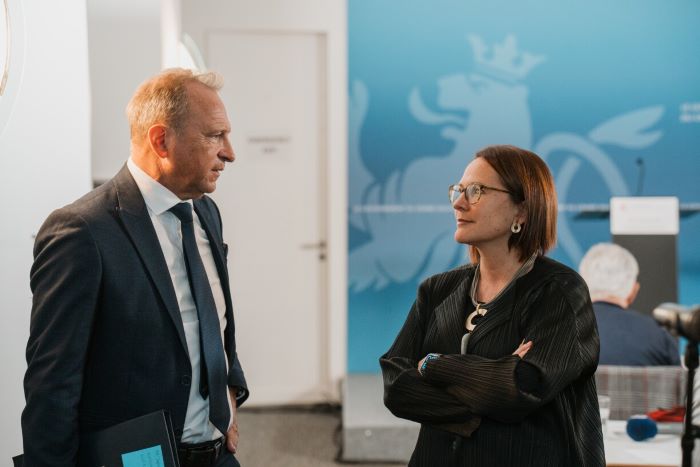
A conference jointly organised by Banque BEMO and the Embassy of Belgium has revived debate on one of Lebanon’s longest-standing inequalities – the inability of Lebanese mothers to pass their nationality to their children. The event, held in Beirut to mark 100 years of the country’s nationality law, brought together lawmakers, former ministers and campaigners who argue that the rule has entrenched discrimination for generations.
The involvement of Belgium reflects a growing trend in diplomatic support for rights-based reforms in Lebanon. European embassies frequently lend visibility to issues that lack political traction locally, and Belgian officials have cultivated close ties with civil-society groups working on gender equality and statelessness. Lebanon’s large diaspora communities in Europe, including in Belgium, have also played a role in shaping bilateral engagement on human-rights questions.
Advocates say external support is necessary because domestic reform has repeatedly stalled. Under Lebanon’s 1925 nationality law, citizenship is automatically passed through the father, leaving many children of Lebanese women and foreign men without full access to state services, employment or residency rights. Governments have introduced minor administrative improvements over the years but have not proposed a comprehensive amendment. Lawmakers who oppose reform often cite fears over demographic imbalances within Lebanon’s sectarian political system.
The conference aimed to break that deadlock by pressuring politicians to commit publicly to change. Organisers said the centenary of the law was an opportunity to force a national conversation, while diplomatic backing offered international legitimacy to the demands of local activists. Participants called for a unified legislative proposal and urged parliament to act before another generation of families is affected.
Whether the renewed attention will produce concrete results remains uncertain. Lebanese politics have been paralysed by broader institutional crises, and nationality reform is widely viewed as one of the most politically sensitive issues. Analysts note that events of this kind often raise awareness but rarely shift entrenched positions without sustained follow-up.
Still, campaigners say the conference provides a rare moment of momentum. They argue that even if immediate change is unlikely, the increased visibility could lead to incremental gains, such as expanded administrative rights for affected children or revived parliamentary discussion. For now, the partnership between Banque BEMO and the Belgian embassy has signalled that the push for reform continues, even if the outcome depends entirely on decisions yet to be made in Beirut’s political arena.