







Luxembourg-Linked Israeli Firm Joins India in New Push for Pheromone-Powered Farming
A quiet shift in global agriculture gathered pace this month as Hyderabad-based ATGC Biotech and Israel’s Luxembourg Industries signed a 50:50 joint venture to manufacture and market pheromone- and semiochemical-based crop protection products. The agreement marks a growing international turn towards behavioural pest control – a method some experts say could sharply cut the world’s reliance on conventional pesticides.
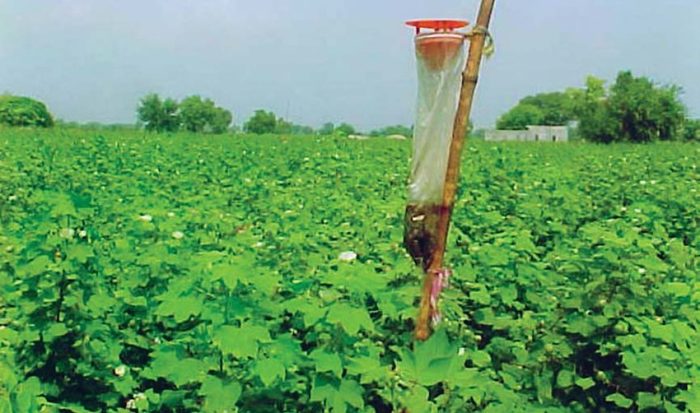
The approach is not a new farming system but a targeted way of managing insects. Instead of killing pests with broad-spectrum chemicals, farmers deploy tiny doses of synthetic pheromones or other signalling compounds that disrupt mating, lure insects into traps or steer them away from crops. Because these compounds mimic natural scents, they act on specific insect species and leave no harmful residues on food or soil.
Agronomists have been testing semiochemicals for decades, but their use is now expanding as regulators, consumers and export markets push for lower chemical loads in food. Growers in horticulture-heavy regions are increasingly turning to this method to manage insect resistance, reduce costs linked to repeated spraying and meet strict residue thresholds. The technology has become a key pillar of integrated pest management, the sustainability model many governments are urging farmers to adopt.
The new venture, to be headquartered in Israel, will combine ATGC Biotech’s research portfolio with Luxembourg Industries’ manufacturing and regulatory capabilities. Together, they plan to roll out a suite of products that includes mating-disruption dispensers, attract-and-kill systems and species-specific monitoring tools. Commercial production is expected to begin once regulatory clearances are secured in target markets across Asia, Africa and Latin America.
For India, the deal highlights the rising profile of its agri-biotechnology sector, with locally developed innovations moving into global supply chains. For Israel, the partnership offers a route to expand its longstanding expertise in high-value crop protection solutions. Despite its name, Luxembourg Industries is not linked to the Grand Duchy; instead, it is part of an Israeli group now branching further into bio-based agriculture.
The timing is significant. As climate pressures, labour shortages and pesticide resistance converge, many countries are hunting for alternatives that reduce environmental damage without compromising yields. Semiochemical solutions, though not universal remedies, are being embraced for their precision and relatively low ecological cost.
The ATGC–Luxembourg venture signals a broader industry bet that behaviour-based pest control is moving from niche practice to mainstream tool – a shift that could redefine how farmers protect crops in the years ahead.