


Europe Confronts Stark Warning as NATO Chief Urges Readiness for a Larger War
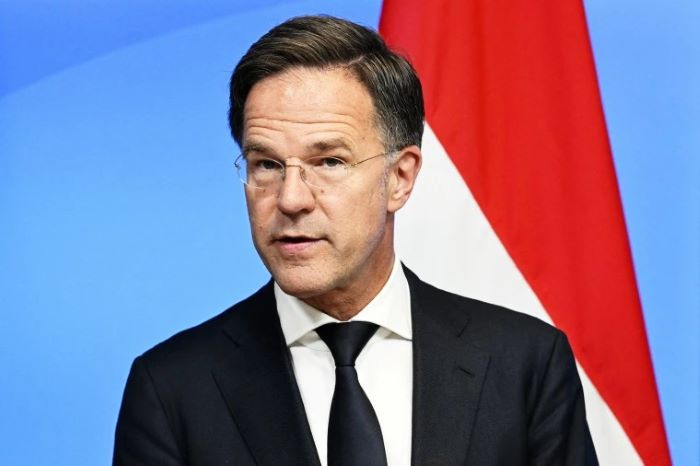
NATO’s secretary general, Mark Rutte, has issued one of the alliance’s starkest warnings in years, telling European governments they must prepare for “a scale of war our grandparents endured” if they fail to respond to a more aggressive and unpredictable Russia. His comments, aimed at breaking what he sees as a growing sense of complacency, have triggered a rush of debate across European capitals over whether the continent is prepared for the pressures of a prolonged security crisis.
Rutte’s remarks were delivered against the backdrop of Russia’s ongoing war in Ukraine, where Moscow has shown a willingness to absorb heavy losses to secure small territorial gains. For NATO officials, this readiness to expend lives and resources has become a central indicator of the Kremlin’s evolving posture. “If Putin is prepared to sacrifice ordinary Russians in this way,” Rutte asked, “what is he prepared to do to other countries?” The question was framed less as prophecy and more as a sober reflection on a leader who has tested Western thresholds repeatedly.
The warning serves a dual purpose – to deter Moscow by showing that the alliance is alert, and to jolt European states into addressing their own shortfalls. Defence spending remains uneven across the continent, ammunition stockpiles are depleted after years of supporting Ukraine, and several countries are struggling to ramp up arms production fast enough to meet NATO’s targets. Rutte’s message was that without urgent action, Europe risks presenting itself as divided and unprepared – an invitation to miscalculation.
Security analysts say the NATO chief’s comments reflect an accumulation of concerns rather than a new assessment. Russia’s military tactics in Ukraine, its increasingly confrontational rhetoric toward the West, and its sustained mobilisation of forces have led many in Brussels to argue that Europe is entering a long era of strategic rivalry. While few believe a direct attack on a NATO member is imminent, the alliance fears that the blend of cyberattacks, sabotage, border pressure and political interference already seen in recent years could intensify as Moscow seeks leverage.
Rutte’s invocation of the wartime experiences of earlier generations was intentionally provocative. European publics remain wary of higher defence budgets, compulsory service and industrial rearmament – measures governments say are necessary to shore up deterrence. By drawing parallels with the past, he sought to shift the debate from whether preparations are needed to how quickly they can be made. Several senior military officials have warned privately that the continent’s defence posture is far from sufficient for the demands of a major crisis.
There is, however, a gap between NATO’s alarm and the public mood in much of Europe. Many citizens view the war in Ukraine as contained, despite its brutality. Governments have been reluctant to confront voters with the scale of investment required to rebuild defence industries hollowed out over decades. Rutte’s intervention is seen as an attempt to force that reckoning before circumstances dictate it.
Whether the warning will translate into political action remains uncertain. Some countries have already announced increases in defence spending and new investment in military production, while others continue to debate how far their commitments should go. What is clear is that NATO believes deterrence hinges on credibility and credibility, in the alliance’s view, requires readiness.
Rutte’s remarks do not imply that war in Europe is inevitable. Rather, they reflect a belief that the risks of escalation, miscalculation or coercion will grow if the continent continues to rely on outdated assumptions about Russia’s intentions. The aim is not to frighten but to prepare: to ensure that Europe’s political and military posture reduces the chances of conflict rather than invites it.
For now, the warning stands as a blunt reminder that the continent’s security environment has fundamentally changed and that the next few years will determine whether Europe faces that reality with clarity or hesitates in the hope that the storm will pass.
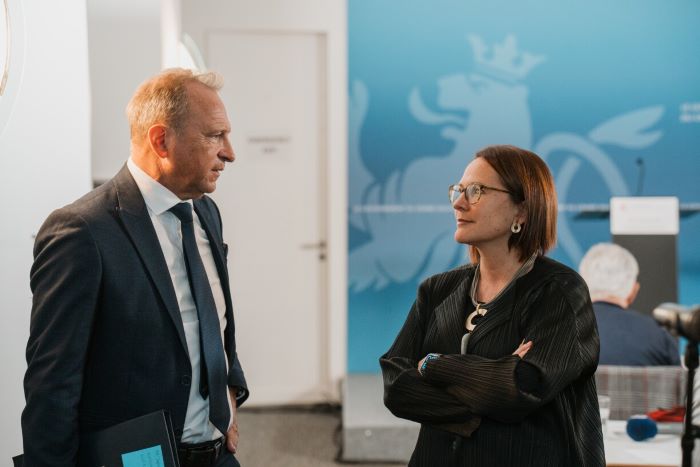
NATO’s secretary general, Mark Rutte, Photo by Mikko Stig / Lehtikuva via AFP