




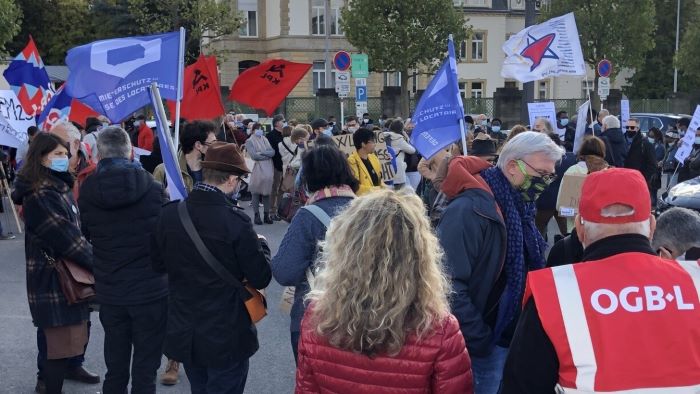
Luxembourg City Protests Shine Light on Immigrant Housing and Rights Concerns
On International Human Rights Day, Amnesty International Luxembourg mobilized hundreds of people in the capital on Wednesday, urging the country to confront persistent concerns over the treatment of immigrants and asylum seekers. The march, symbolic but pointed, cast a bright light on a problem that sits uneasily beside the Grand Duchy’s reputation for prosperity, stability and the rule of law.
Luxembourg regularly ranks high on governance and institutional strength, yet the everyday realities faced by many newcomers tell a more complex story. Immigration into the country has grown steadily over the years, placing pressure on a small housing market already strained by soaring prices and limited affordable stock. For many asylum seekers and beneficiaries of protection, this means prolonged stays in temporary reception centres and difficulty transitioning into private housing, despite having legal status.
Human-rights groups have also highlighted shortcomings in Luxembourg’s immigration-detention practices. Although conditions in purpose-built centres are considered better than in improvised facilities used in the past, activists argue that detention remains too readily employed. They insist that holding people in closed centres should be an exceptional measure, not a default administrative step, and that community-based alternatives could achieve the same goals with less impact on personal liberty.
Compared with neighbouring countries, Luxembourg’s challenges are not unique. Belgium continues to struggle with overwhelming demand for reception places, while France and Germany face their own housing bottlenecks and integration hurdles. What distinguishes Luxembourg is scale – in a small, wealthy state, any gaps in accommodation or administrative support are felt swiftly and starkly.
Advocates say the country has both the resources and the capacity to do better. Expanding reception infrastructure, increasing affordable housing options and offering stronger incentives for private landlords to accept refugees could alleviate overcrowding. Improving integration services such as language courses, job-placement support and recognition of qualifications would help people leave state-run centres more quickly and begin rebuilding independent lives.
Calls for stronger oversight are also growing. Civil-society organisations want more regular monitoring of detention and reception sites, greater transparency in the publication of data, and clearer accountability mechanisms to ensure that rights standards are upheld. They argue that Luxembourg’s strong institutions could be better leveraged to establish a model of humane migration management that matches the country’s international standing.
As marchers dispersed on Wednesday evening, their message was simple: Luxembourg’s commitment to human rights must extend beyond statements and resolutions. For a nation that presents itself as a champion of dignity and justice, the treatment of those who arrive seeking protection remains a defining test. Whether the Grand Duchy meets that challenge will depend on political will, sustained investment in housing and integration, and a renewed determination to place human rights at the centre of national policy.
Photo – © Lynn Cruchten (Télé)