





SPILLY, a City Built for Play
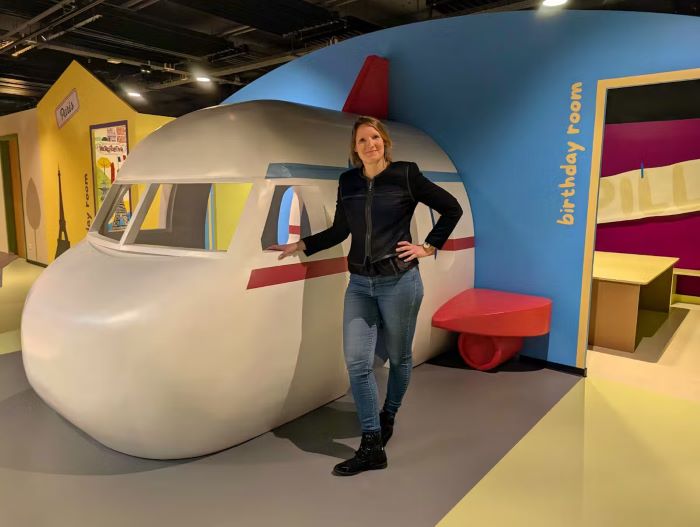
Luxembourg welcomed a new kind of urban experience on 29 January 2026 with the opening of SPILLY, the country’s first indoor mini-city designed specifically for children. The project, which officially opened its doors with the support of Banque Internationale à Luxembourg, brings immersive learning and imaginative play together under one roof.
SPILLY is conceived as a scaled-down city where children can explore how society works by stepping into everyday roles. Within carefully designed themed spaces, young visitors can try their hand at being firefighters, doctors, pilots, shopkeepers, or bankers. The idea is not role-play for spectacle alone, but hands-on discovery. Children are encouraged to make choices, solve problems, and understand the links between different professions and services that shape daily life.
The concept was imagined and developed in Luxembourg by its founder Guileine Chaux, who envisioned a space that blends entertainment with practical learning. Unlike traditional playgrounds, SPILLY places emphasis on autonomy and curiosity. Children move through different universes at their own pace, learning through experience rather than instruction. Educators involved in the project say this approach helps develop confidence, cooperation, and early decision-making skills.
BIL’s presence at the opening underlined the Bank’s role as a key sponsor of the initiative. In a statement shared during the launch, the Bank highlighted education as one of its core commitments. Supporting SPILLY reflects a belief that learning does not begin or end in the classroom, but is shaped by experiences that connect knowledge with real-world contexts. By backing an interactive environment aimed at children, BIL positions education as a lifelong process that starts early.
Financial literacy also plays a subtle role in the mini-city. Through age-appropriate activities, children are introduced to basic ideas around exchange, saving, and responsibility. Rather than formal lessons, these concepts are woven into play, helping demystify money and work without pressure or abstraction. For many parents, this practical exposure is seen as a valuable complement to formal schooling.
The launch of SPILLY also speaks to Luxembourg’s broader economic and cultural landscape. As a small country with a strong focus on innovation, the Grand Duchy has increasingly supported projects that combine entrepreneurship with social value. By investing in a locally developed concept, BIL reinforces its commitment to the national economic ecosystem and to initiatives that aim for long-term social impact rather than short-term returns.
For families, SPILLY offers a new lifestyle destination that blends leisure with meaning. For the city, it adds a space where education, play, and community intersect. And for its supporters, it represents a vision of development that places children and learning at the center. As SPILLY begins welcoming its first visitors, it signals a growing interest in experiences that prepare young generations not just to imagine the world, but to understand how it works.