





BNP Paribas’ Moroccan Exit Raises Questions
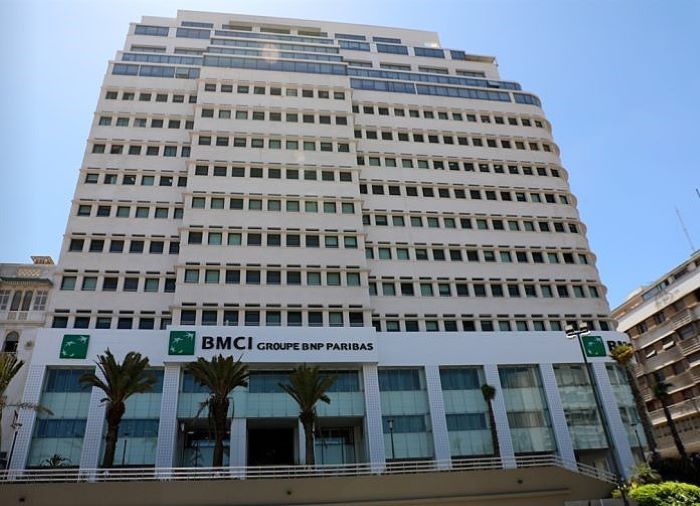
BNP Paribas has confirmed it is in exclusive, preliminary discussions to sell its controlling 67 per cent stake in Moroccan lender BMCI to long-time partner Holmarcom Group, a development that has sent ripples through banking circles from Casablanca to Paris and beyond. The negotiations, expected to conclude in 2026 if they proceed, would mark a significant pivot in the French banking giant’s presence in North Africa and raise questions about its broader strategy in the Mediterranean markets.
The potential sale of BMCI, a Casablanca-based bank historically majority-owned by BNP Paribas since the mid-20th century, is being framed by the Paris-based group as an opportunity to strengthen its capital position. BNP Paribas has stated the deal would contribute about 15 basis points to its common equity Tier 1 ratio upon completion, a measure of financial solidity that has been under scrutiny following industry-wide pressures.
This development coincides with a broader retrenchment trend across Europe, where BNP Paribas has been realigning its operations amid cost pressures, integration of major acquisitions and broader shifts in the banking landscape. The bank is reportedly planning to cut roughly 1 200 roles worldwide in its asset management division as part of restructuring following its acquisition of AXA Investment Managers, and is also reducing physical branch networks in France.
Across its core European markets, layoffs and outsourcing plans, such as those affecting hundreds of staff at BNP Paribas Fortis in Belgium, reflect the institution’s efforts to streamline operations and adapt to changing regulatory and technological environments.
Within the Mediterranean and North African sphere, BNP Paribas has ever since the early 2000s cultivated what it calls its Europe-Mediterranean franchise, extending retail and corporate banking services in countries including Morocco, Turkey and Algeria. This footprint has been highlighted in official materials as playing a key role in serving some 15 million clients across multiple jurisdictions.
The discussions over BMCI’s sale raise several questions about the bank’s strategic vision for these markets. Is BNP Paribas simply divesting low-yield retail assets to focus on higher-profit institutional and investment banking operations, or does this signal a broader retreat from emerging markets that do not align with its ambition for capital efficiency and regulatory compliance? The emphasis on CET1 improvements suggests financial calculus may be a driver, yet BNP Paribas has publicly reaffirmed a commitment to its integrated commercial and personal banking model across the Mediterranean, making it unclear whether this represents abandonment or recalibration.
Analysts point out that similar transactions have already reshaped the banking landscape in Morocco. Holmarcom’s move to potentially take full control of BMCI follows its acquisition of Crédit du Maroc from Crédit Agricole and reflects a regional trend of consolidating local banking champions.
For clients and markets in Luxembourg and the wider EU, the BMCI talks reflect the pressures and opportunities shaping global banking. Shareholders may welcome the capital gains and focus on core markets, while employees and local economies may face uncertainty. The exit from Moroccan retail operations could strengthen BNP Paribas’ balance sheet, but it also raises questions about long-term engagement in dynamic yet challenging emerging markets. If the deal proceeds to closing, the industry will be watching to see whether this is an isolated tactical move or a harbinger of further recalibrations across Europe and beyond.
David Danisa
Photo – Headquarters of the BMCI Group BNP Paribas bank in Casablanca, Morocco