






How Kamikaze Drones are Defining Warfare
The modern battlefield is undergoing a quiet but profound transformation, one driven not by tanks or fighter jets, but by small, expendable flying machines designed to destroy themselves along with their targets. Known as kamikaze drones, or loitering munitions, these weapons are rapidly reshaping the tactics, economics and psychology of war.
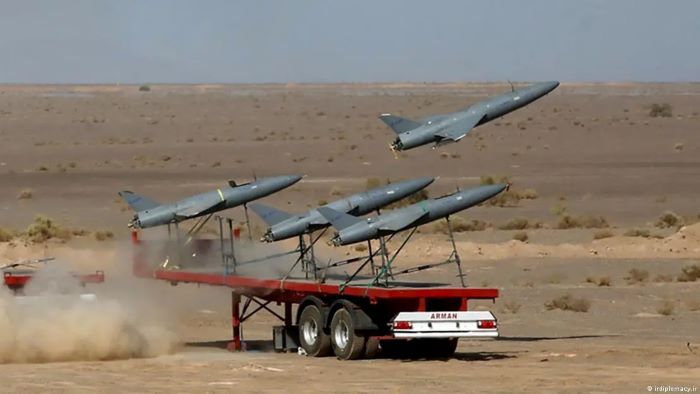
Unlike traditional drones, which launch missiles and return to base, kamikaze drones are built for a single mission. They are launched from tubes, vehicles or improvised runways, then circle above a target area until an operator or onboard system identifies a suitable objective. Once locked on, the drone dives into the target and detonates, destroying itself in the process.
Though the concept has existed for decades, the technology has matured quickly in the last ten years. Advances in miniature electronics, navigation systems, cameras and artificial intelligence have made it possible to build effective loitering munitions at a fraction of the cost of conventional weapons. What was once the preserve of a few advanced militaries is now accessible to many countries and even irregular forces.
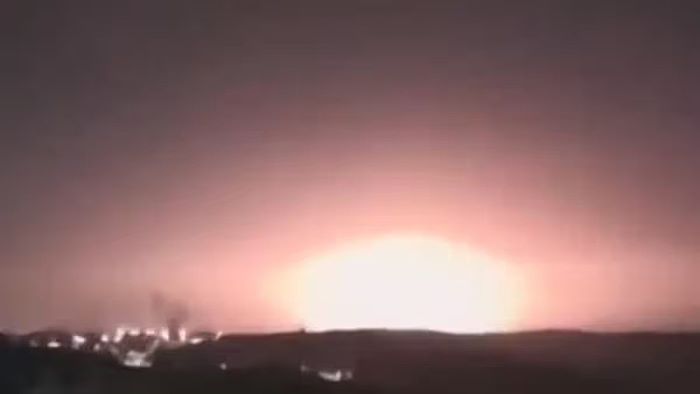
The war in Ukraine has become the clearest demonstration of their impact. Both Russian and Ukrainian forces have used kamikaze drones on a massive scale, targeting tanks, artillery, power stations and troop positions. Cheap, first-person-view drones costing a few hundred dollars have been used to destroy armoured vehicles worth millions. At the other end of the spectrum, long-range drones have struck deep into cities and infrastructure, blurring the line between battlefield and civilian space.
The scale of drone use in that conflict has forced militaries around the world to rethink their assumptions. In some sectors of the front, traditional artillery and air power have been supplemented or even replaced by swarms of small drones. Soldiers now operate under near-constant aerial surveillance, with even minor troop movements quickly detected and targeted.
Cost has been a decisive factor in their rise. A loitering munition can be built for a few hundred or a few thousand dollars, yet it can destroy equipment worth hundreds of thousands or even millions. This cost imbalance has created a new form of warfare in which quantity often matters more than the sophistication of individual systems. Swarms of cheap drones can overwhelm air defences designed to counter expensive missiles and aircraft.
Several countries now dominate the development and deployment of kamikaze drones. Israel is widely regarded as a technological pioneer in loitering munitions. The United States and Turkey have invested heavily in drone warfare and have deployed such systems in various conflicts. Iran has become known for mass-producing low-cost drones, some of which have been exported to allied forces. China, with its vast manufacturing base, is a major global supplier of drone technology, while Russia and Ukraine have turned drone warfare into a central battlefield doctrine.
The implications for future conflicts are profound. Military planners increasingly expect wars to be fought with large numbers of inexpensive, expendable machines rather than small fleets of highly expensive platforms. Continuous aerial surveillance, AI-assisted targeting and coordinated drone swarms are likely to become defining features of combat. Counter-drone systems, electronic warfare and cheaper interception weapons are already emerging as essential parts of national defence strategies.
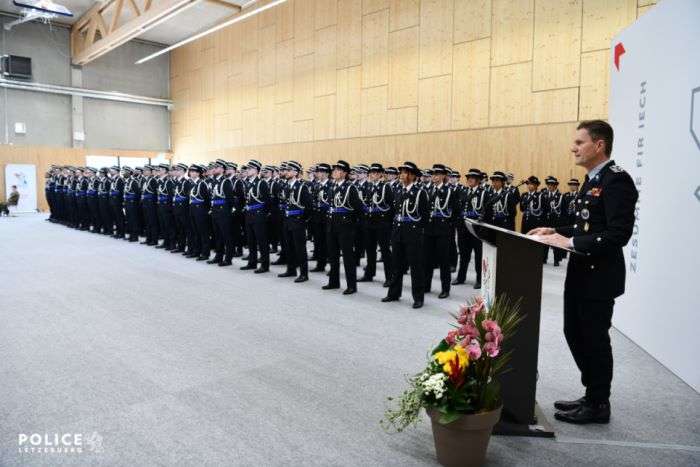
For smaller countries such as Luxembourg, the shift presents both a challenge and an opportunity. The country is not a major military power, but it has begun investing in counter-drone capabilities, research and dual-use technologies. Luxembourg’s role is more likely to lie in innovation, training and NATO integration than in large-scale deployment of combat drones.
As the cost of technology falls and the effectiveness of these systems rises, kamikaze drones are likely to become as central to warfare as tanks and fighter aircraft once were. The defining image of future conflicts may not be columns of armour or squadrons of jets, but swarms of small machines, inexpensive enough to lose, yet powerful enough to shape the outcome of wars.
Image: irdiplomacy.ir