




Luxembourg Weighs Defense Options as Belgium Moves Forward with Air Defense Deal
While Belgium pushes ahead with plans to acquire a Norwegian-made air defense
system, Luxembourg is still in the consultation phase, weighing its options for a potential
joint investment.
Initial reports from Belgian newspaper L’Echo suggested that both countries were
preparing to purchase 10 highly capable National Advanced Surface-to-Air Missile System’s batteries (NASAM) — a (jointly developed with United States of America) from Norway.
already deployed in Ukraine, designed to neutralise aircraft, drones, helicopters, and
cruise missiles. The estimated joint investment was reported at €2.5 billion, with
procurement facilitated through the Netherlands.
However, L’Echo has since updated its story, removing any mention of Luxembourg.
Despite this, Belgium’s procurement appears to be moving forward independently.
Luxembourg’s Ministry of Defense has confirmed ongoing consultations but stated
clearly that no decision has yet been made.
“We have not yet made a decision on the air defense and missile defense dossier.
Discussions are still ongoing with potential partner countries and various industry
players. Cooperation in this area within the Benelux framework is one of the avenues
we are considering.”
Alongside possible collaboration with Belgium, Luxembourg is also said to be in talks
with France and Germany, according to sources familiar with the matter.
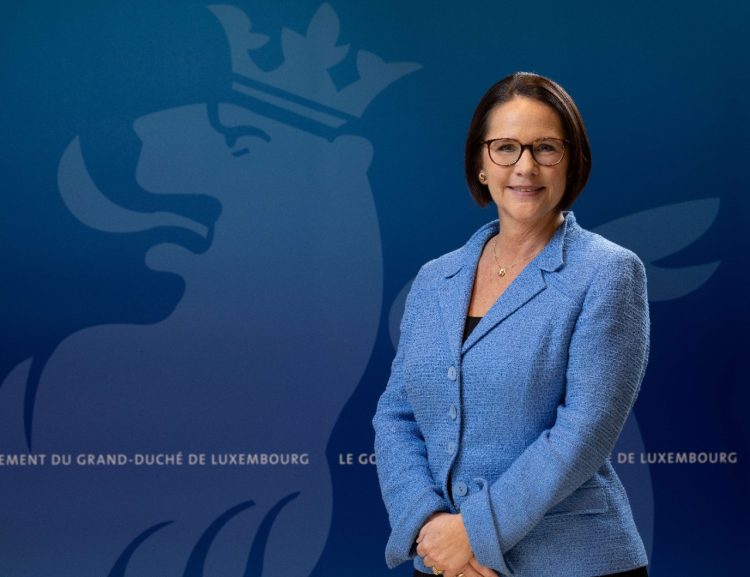
Defense Minister Yuriko Backes was in Le Bourget earlier this week, where she met
with her French counterpart during the Paris Air Show — a clear indication that France
is among the serious candidates for future cooperation. Luxembourg’s strong defense
ties with both Belgium and France, particularly through the joint Belgian-Luxembourg
battalion, make a trilateral or multilateral approach plausible.
Luxembourg has committed to strengthening its air defense as part of its obligations to
the North Atlantic Treaty Organisation (NATO), which has been calling on member states to invest more significantly in shared security infrastructure.
As regional threats and global tensions continue to reshape European defense
strategies, Luxembourg’s eventual decision will likely hinge on interoperability with
allies, cost-sharing opportunities, and long-term strategic value.
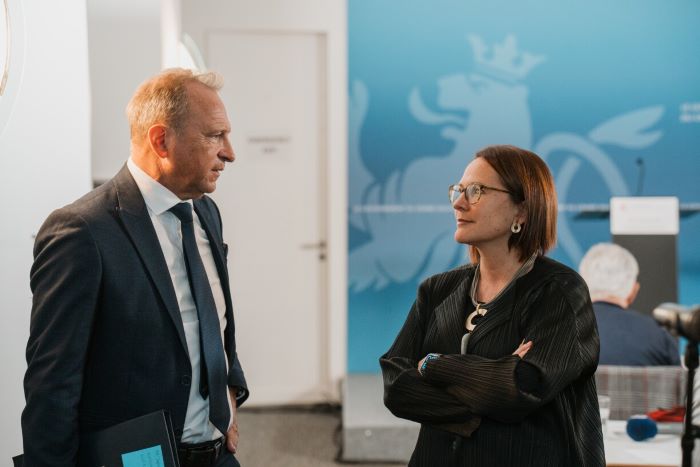
Photo – Yuriko Backes, Minister of Defense, Luxembourg