







Interpol Cracks €57 Million Drug Ring
A major international police operation has uncovered the vast reach and sophistication of the booming illegal trade in counterfeit pharmaceuticals, after Interpol seized over €57 million worth of fake and unapproved drugs in a six-month sweep spanning 90 countries. The haul included millions of doses of counterfeit versions of the diabetes and weight-loss drug Ozempic, as well as unregulated performance-enhancing peptides and cosmetic injectables.
This was not an isolated bust. It was part of Operation Pangea, a long-running global effort by Interpol and national law enforcement agencies to clamp down on illicit pharmaceuticals. But despite these efforts, the trade appears to be thriving. The back story reveals a relentless cat-and-mouse game where traffickers stay a step ahead, exploiting gaps in oversight and a soaring demand fuelled by social media hype and image-conscious consumers across wealthy regions.
The shadow pharmaceutical industry is now worth tens of billions of euros annually. Experts estimate that up to 10 percent of medicines worldwide are counterfeit, with the problem particularly severe in markets flush with consumers eager for quick fixes for weight loss, muscle gain, or anti-aging benefits. Social media influencers, often unwittingly, amplify demand by glamorising these substances. Meanwhile, criminal networks have adapted aggressively, moving from dark web channels to open online marketplaces and encrypted messaging apps where products are marketed directly to consumers.
The drug trafficking routes are as complex and entrenched as those used by cartels moving cocaine or heroin. Raw ingredients often originate in loosely regulated labs in China and India. They are then shipped, sometimes disguised as harmless goods, to compounding labs or clandestine manufacturers in places like Turkey, Eastern Europe, or even suburban warehouses in Western Europe. From there, the finished products move through an array of middlemen—some posing as legitimate supplement distributors—before reaching consumers in Germany, France, Italy, the UK, and beyond.
Europe has become a hotbed of demand for these black market drugs. In Germany and France, regulators have flagged an explosion in online orders for unapproved peptides and semaglutide knock-offs. In the UK, customs authorities have seized record quantities of these substances in parcels arriving by mail. The allure is simple. A regulated weight-loss pen like Ozempic might cost hundreds of euros through legitimate medical channels, require a prescription, and come with medical supervision. On the black market, there is no waiting period, no awkward consultations, and often a cheaper upfront price—though with vastly higher risks.
Interpol’s recent operation, which involved 16 EU countries, underscores both the scale of the trade and the uphill battle faced by law enforcement. Criminal organisations behind these operations are often linked to broader networks involved in narcotics, counterfeit luxury goods, and human trafficking. They rely on sophisticated logistics, including shell companies and cross-border money laundering schemes that make tracing profits extraordinarily difficult.
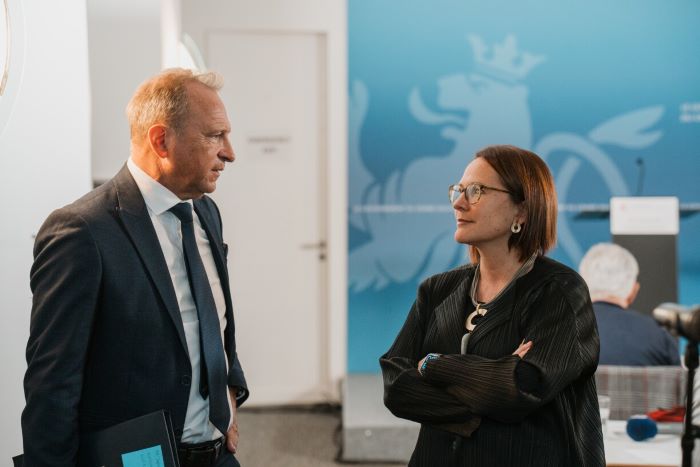
Alfonso Mejuto Rodríguez, Interpol’s assistant director for criminal networks, said the landscape has shifted dramatically. “It’s not even necessary to go to the dark web anymore. The average consumer can find these drugs through ads on regular websites or social media, often believing they’re buying something beneficial for their health and image. The truth is they have no idea what they’re injecting or swallowing,” he said.
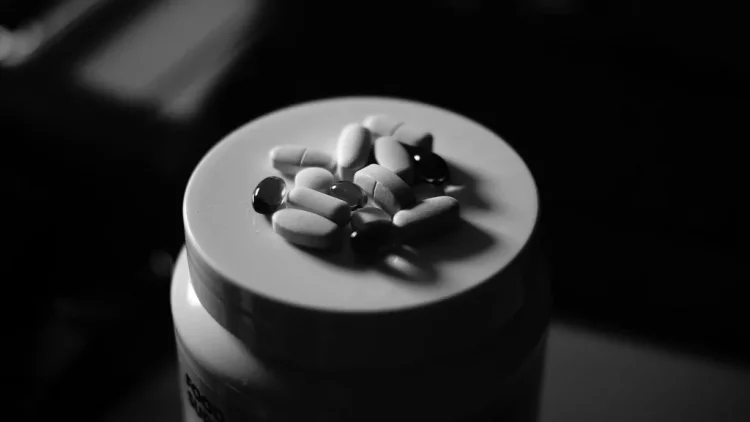
Interpol’s seizures included not just counterfeit semaglutide, but also illicit shipments of peptides like BPC-157 and melanotan, sold as miracle fixes for weight loss, muscle recovery, or tanning. Such substances are largely untested, unapproved, and in many cases banned, but are aggressively marketed to people chasing rapid transformations.
Meanwhile, the consumers keep coming. Analysts say rising anxiety over appearance, coupled with the speed of social media trends, means demand is only growing. This creates a cycle that authorities struggle to break. Each major bust disrupts supply temporarily, but the market reconfigures quickly. Criminal syndicates pivot to new distribution channels, or slightly alter chemical formulas to skirt existing bans.
Health agencies including the World Health Organization and the European Medicines Agency have warned repeatedly about the dangers. Counterfeit injectables can contain anything from ineffective saline to contaminated compounds that trigger severe infections, organ damage, or even death. Yet despite high-profile cases of harm, the appetite for these substances remains robust.
In the battle between regulators and traffickers, it is clear who is on the defensive. While Interpol’s latest operation netted a hefty haul, the sheer profitability of the trade ensures it will persist. New players continue to enter the market, attracted by the low overhead, huge margins, and relatively minor penalties compared to trafficking narcotics like heroin or cocaine.
What remains is a stark picture of a global trade that capitalises on vanity and desperation, drawing billions from consumers while putting their health at grave risk. Interpol’s success highlights how deeply embedded these networks are—but also how far there is to go in shutting them down. In this contest, for now, the traffickers still seem to be ahead.