






Collision and Fusion, Unveiling Brazil’s Vibrant Cultural Tapestry
Brazil’s history is a mosaic of cultures, a lively dance of indigenous traditions, European influences, African legacies, and immigrant stories. Cláudia Oliveira Serradas, a Brazilian historian and proud descendant of indigenous, Portuguese, African, and Italian roots, offers an insightful lens into how these diverse origins shape Brazil today. Her stories reveal that beneath the vibrant surface lies a complex history of resilience and cultural blending that still defines the nation.
Brazil was already inhabited when the Portuguese arrived. The indigenous peoples, with their profound spirituality and deep connection to nature, had thrived for centuries. Their art, their sacred rituals, and their reverence for the environment form the bedrock of Brazil’s cultural identity. Despite the devastating impact of colonization, only about 390 indigenous communities remain, holding onto their languages like Tupi-Guarani and their sacred traditions.
These traditions influence everything from art and festivals to environmental activism. Indigenous spirituality centers around the reverence of nature and ancestors—a richness that persists today through rituals and medicinal plant use.
Colonization introduced a whirlwind of change. Portuguese settlers brought Catholicism, which syncretized with African religions as enslaved peoples held onto their spiritual practices behind closed doors.
This blend birthed Afro-Brazilian religions like Candomblé and Umbanda, which faced fierce persecution. Enslaved Africans transplanted their deities, calling upon Orixás—African gods—through Catholic masks. The saint names became stand-ins for deities, allowing their worship to survive clandestinely. For instance, Lemanjá, the water goddess, was hidden behind the image of Catholic saints, with rituals carried out in secret, often enduring brutal punishment if discovered.
The African influence is visible in Brazil’s music, dance, cuisine, and even community festivals. Rhythms like maracatu and samba echo African drums, while dishes are flavored with seasonings and ingredients rooted in African heritage. These influences form a backbone of Brazil’s cultural vibrancy, even as prejudices and misunderstandings linger. Cláudia Serradas describes how European colonial mindsets cast African and indigenous beliefs as “demonic,” which fueled centuries of discrimination and prejudice. She emphasizes that these biases are relics of a Eurocentric worldview that seeks to erase or diminish non-European roots.
Yet, Brazil’s history of cultural resilience is profound. The diversity of languages, from indigenous tongues to Portuguese accents across regions, shows a nation that communicates beyond barriers—proof of a shared adaptability. Brazil’s history of slave uprisings, indigenous resistance, and cultural syncretism demonstrates an unbreakable spirit. Even in the face of prejudice, Afro-Brazilian religions and indigenous practices survived, often reinterpreted and incorporated into mainstream culture in subtle ways.
Cláudia Serradas highlights the importance of education and cultural inheritance. She shares how her grandmother used herbs to heal, passing on knowledge rooted in indigenous medicine. Her own efforts to keep these traditions alive through her family reflect a broader movement to preserve cultural identity amid the globalized world. She uses herbs and natural remedies to maintain a connection with her ancestry, emphasizing that such practices are vital to understanding Brazil’s soul.
Historical narratives like these reveal that Brazil is not merely a country of samba and carnival, but also a land of profound stories—stories of conquest, survival, and synthesis. These stories challenge simplistic views, showing how diverse cultural elements intertwine to produce a unique national identity. Brazil’s history reminds us that culture is a living, breathing entity, constantly shaped by its people’s resilience and adaptability.
Cláudia Serrada’s move to Luxembourg illustrates Brazil’s global reach. Her journey was motivated by a desire for security and a fascination with European diversity. Her choice reflects how global migration carries meanings of both safety and curiosity, connecting Brazil’s history to today’s interconnected world.
Brazil’s past may be marred by oppression and prejudice, but its vibrant, eclectic culture stands as a testament to endurance. It is a celebration of diversity, a vivid reminder that history is a living dialogue. From indigenous art to African-inspired rhythms, from Portuguese colonial architecture to modern multicultural festivals, Brazil’s identity is an ongoing masterpiece painted with resilience and hope.
Understanding Brazil’s roots enriches appreciation of its lively, complex, and beautiful culture. Brazil is not only a nation of contrasts but also a testament to the enduring power of cultural memory and the ongoing quest for identity in a diverse world.
Story by David Danisa, with reports by Liz Teixeira
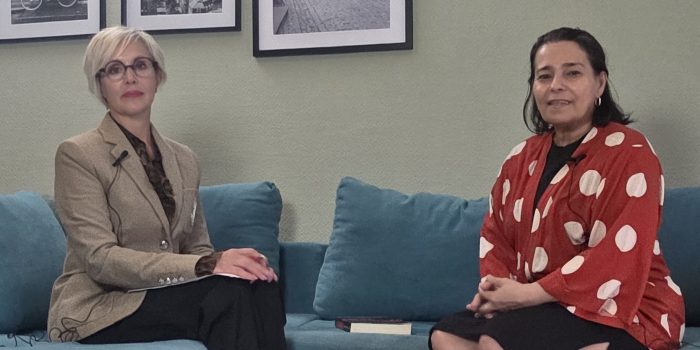
(Photo – Liza Teixeira and Cláudia Oliveira Serradas)