








Rare Plant Rediscovered in the Heart of Luxembourg City
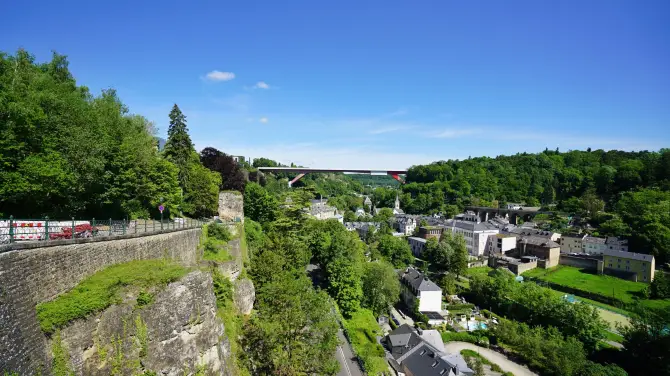
In a quiet corner of Luxembourg City’s Grund district, nature has whispered back from
the past. During the National Museum of Natural History’s recent Biodiversity Weekend,
scientists made a remarkable discovery, Parietaria officinalis, a plant species thought to
have vanished from the capital almost a hundred years ago, has reemerged.
Also known by its common name, upright pellitory, or Grousst Glaskraut in
Luxembourgish, this inconspicuous member of the nettle family had not been recorded
in Luxembourg City since 1933. Its rediscovery is more than a botanical curiosity; it is a
powerful symbol of ecological resilience and a crucial reminder of the often-hidden
biodiversity thriving, even in urban landscapes.
A Plant With a Forgotten Past – Parietaria officinalis is a plant native to the Mediterranean but was likely introduced to Central Europe centuries ago, possibly via monastic gardens or early trade routes. Preferring calcium-rich rubble, walls, and rocky soil, it often grows where old structures and wildness meet, a plant of the margins, flourishing quietly in the overlooked corners of human habitation.
For decades, the species had been deemed regionally extinct in Luxembourg City,
especially as post-war reconstruction and urban development reshaped its traditional
habitats. Its reappearance in the Grund, fittingly near the Natural History Museum,
suggests that urban biodiversity may be more resilient than previously believed.
The rediscovery of upright pellitory is scientifically and symbolically significant. The
parietaria officinalis is listed as critically endangered in Luxembourg, with very few
documented populations across the country. Its return to the capital challenges
assumptions about extinction and reopens conversations about species survival in
fragmented urban ecosystems.
The finding illustrates the importance of citizen science and local engagement. It was
recorded in iNaturalist.lu, Luxembourg’s public biodiversity database, which relies on
contributions from both scientists and ordinary nature lovers to monitor species across
the country. This collaborative model is proving essential in tracking and protecting
endangered flora and fauna.
Additionally, the presence of this species could indicate micro-habitats of historical
continuity, tiny patches of soil or wall that have remained undisturbed for decades,
harboring seeds long dormant. In a time when concrete and climate change threaten
biodiversity, these relics of the past can serve as living gene banks.
Botanists hope the rediscovery will trigger not just academic interest but renewed efforts
to protect lesser-known plant species, especially those surviving precariously in cities.
Conservationists emphasize that urban planning must include green infrastructure and
habitat preservation, not just for birds and pollinators, but also for seemingly humble
species like upright pellitory, which often play important ecological roles in their niche
environments.
This rediscovery also reminds humankind that biodiversity is not confined to remote
wilderness, it lives where people do, sometimes hiding in plain sight. Each plant, no
matter how small or obscure, is a thread in the complex web of life. In rediscovering
parietaria officinalis, Luxembourg has reconnected not only with its natural heritage but
also with a narrative of hope, endurance, and renewal.
As scientists continue to survey the city’s green corners, who knows what else may be
waiting to bloom once more?