







Luxembourg’s Citroën Recall: Response to a Pan-European Safety Crisis
In a rare but decisive move, Luxembourg has grounded over 350 Citroën vehicles, joining a growing list of European nations confronting the legacy of one of the auto industry’s most lethal defects. This call back of Citroën C3 and DS3 models fitted with Takata airbags follows the fatal accident in Reims, France, earlier this year. For Luxembourg, a country known more for financial regulation than auto enforcement, the decision signals a deeper alignment with continental safety directives and a recognition of the dangers posed by lingering faulty components in its national vehicle fleet.
The affected airbags, manufactured by Takata before its collapse, have been at the center of a global safety scandal for over a decade. They can rupture explosively upon deployment, sending metal fragments into the vehicle cabin. Hundreds of deaths have been linked to the defect. Though Takata went bankrupt in 2017, the legacy of its products still circulates in millions of cars across the world. The Stellantis Group, which now owns Citroën and the DS brand, is legally responsible for the callback and replacement of these units. Luxembourg’s Institute for Standardisation, Accreditation, Safety and Quality of Services (ILNAS) has confirmed it will manage the local response and ensure compliance.
This is only the second time since 2010 that Luxembourg has issued such a sweeping vehicle restriction. The last large-scale recall affected diesel vehicles during the fallout of the Volkswagen emissions scandal. Historically, the country has relied heavily on European regulatory mechanisms to respond to automotive issues, rarely taking unilateral action. The decision to independently halt use of certain Citroën models reflects a growing sense of urgency and perhaps a shift toward more proactive consumer safety enforcement.
For Stellantis, the financial and reputational implications are mounting. Although the recall impacts a relatively small number of vehicles in Luxembourg, the broader European effort spans tens of thousands of units. The cost of replacing airbags, compensating customers, managing legal liabilities, and halting new sales adds up quickly. The damage to brand trust, particularly for Citroën, is harder to quantify but potentially more enduring. Analysts estimate that recalls of this scope can reduce quarterly revenue by hundreds of millions of euros, especially when coupled with legal settlements and class actions.
Loss valuation depends on a range of indicators including cost per unit replaced, logistics, and the long-term impact on sales volume and pricing. Insurance can sometimes mitigate direct expenses, but much of the burden falls on the manufacturer’s balance sheet. This in turn affects borrowing costs and creditworthiness. European auto brands often rely on credit lines and financial products from European institutions for liquidity. As a result, the cost of such failures can be felt throughout the economic chain.
In Luxembourg, where the financial sector makes up nearly a third of GDP, the implications of product recalls extend beyond public safety. The country’s economy is deeply entwined with the financialization of European industries. The ripple effects of major brand disruptions—particularly those involving large conglomerates like Stellantis—can affect fund performance, corporate bonds, and even pension portfolios. Luxembourg’s banks and credit firms, while not directly exposed to Citroën’s operational costs, may carry exposure through credit products, securitized debt, or syndicated loans.
This interdependence raises questions about economic vulnerability in highly financialized states. When tangible product failures translate into abstract financial losses, countries like Luxembourg are forced to confront the limits of regulatory distance. They may not manufacture the cars, but they underwrite the ecosystem that makes their sale and distribution possible. A recall that begins with airbags ends with balance sheets.
While this callback will likely be managed efficiently at the local level, it serves as a reminder of the broader fragility in modern economic structures. For Luxembourg, the grounding of 351 vehicles is not just a transportation issue—it is a test of regulatory agility, economic insulation, and public trust in an interconnected Europe.
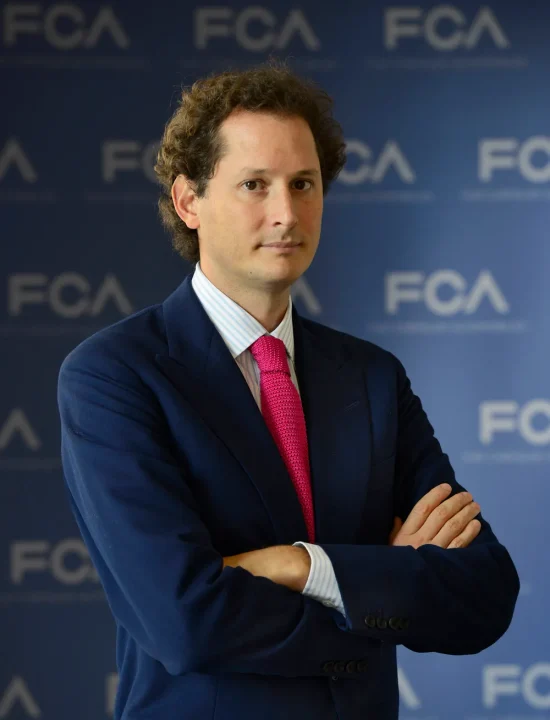
Photo – John Philip Jacob Elkann, Chairman – Stellantis N.V.
By Yvan David Danisa